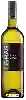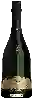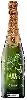
Winery Mas de la BasserolaCava Brut Nature
 wine
wine
This wine generally goes well with
The Cava Brut Nature of the Winery Mas de la Basserola is in the top 0 of wines of Cava.

Details and technical informations about Winery Mas de la Basserola's Cava Brut Nature.
Discover the grape variety: Verdejo
Lively, aromatic whites with sharp acidity and a sleek palate, with intense aromas of grapefruit, lime, fresh herbs, fennel, green almond and saline notes. Typically slightly bitter finish. Absolute star of Rueda DO in Castile-León, now widely exported. Also made as lees-aged and oak-influenced structured cuvées. Native Spanish variety, an ancient Castilian grape.
Last vintages of this wine



The best vintages of Cava Brut Nature from Winery Mas de la Basserola are 0
Informations about the Winery Mas de la Basserola
The Winery Mas de la Basserola is one of of the world's greatest estates. It offers 4 wines for sale in the of Cava to come and discover on site or to buy online.

The wine region of Cava
Spain's star traditional-method sparkler, the Iberian equivalent of Champagne. Three Catalan grapes blended: Macabeo (apple, freshness), Xarel-lo (body and herbaceous notes), Parellada (elegance and floral finesse). Chardonnay and Pinot Noir also allowed. From fruit-driven Brut to Gran Reserva (30 months on lees) with brioche and toasted notes.
The word of the wine: Stirring (champagne)
Manual operation (on a "desk") or mechanical (with a "gyropalette") which allows the deposit created by the yeasts (see tirage) to go down to the neck of the bottle for disgorging.