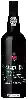
Winery Quinta Maria IzabelBastardo Tinto
 wine
wine
This wine generally goes well with
The Bastardo Tinto of the Winery Quinta Maria Izabel is in the top 0 of wines of Douro.

Details and technical informations about Winery Quinta Maria Izabel's Bastardo Tinto.
Discover the grape variety: Verdejo
Lively, aromatic whites with sharp acidity and a sleek palate, with intense aromas of grapefruit, lime, fresh herbs, fennel, green almond and saline notes. Typically slightly bitter finish. Absolute star of Rueda DO in Castile-León, now widely exported. Also made as lees-aged and oak-influenced structured cuvées. Native Spanish variety, an ancient Castilian grape.
Last vintages of this wine


The best vintages of Bastardo Tinto from Winery Quinta Maria Izabel are 0
Informations about the Winery Quinta Maria Izabel
The Winery Quinta Maria Izabel is one of of the world's great estates. It offers 19 wines for sale in the of Douro to come and discover on site or to buy online.

The wine region of Douro
Cradle of Port: opulent fortified wine with notes of candied black fruit, cocoa, fig, walnut and spice, from young fruity Ruby to oxidative amber Tawny, plus age-worthy LBV and Vintage of exceptional cellaring. Also great dry Douro DOC reds, structured and deep (violet, black-fruited Touriga Nacional, elegant Touriga Franca, spicy Tinta Roriz). A few fresh Douro whites. Terraced vineyards (~40,000 ha) UNESCO on schist.
The wine region of Duriense
Portuguese IGP covering the Douro and Porto area (northeast), schist soils on vertiginous terraced slopes, dry continental climate, flexible status outside DOC. Touriga Nacional signature as red king (300+ authorised varieties): intense and floral with blackberry, black cherry, violet, garrigue, liquorice and mineral schist hint, firm tannins — noble Douro emblem. Supple Touriga Franca and spicy Tinta Roriz as complement. Fresh mineral whites and creative modern sparkling.
The word of the wine: White winemaking
White wines are obtained by fermentation of the juice after pressing. A pre-fermentation maceration is sometimes practiced to extract the aromatic substances from the skins. White wines are normally made from white grapes, but can also be made from red grapes (blanc de noirs). The grapes are then pressed as soon as they arrive at the vat house without maceration in order to prevent the colouring matter contained in the skins from "staining" the wine.