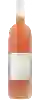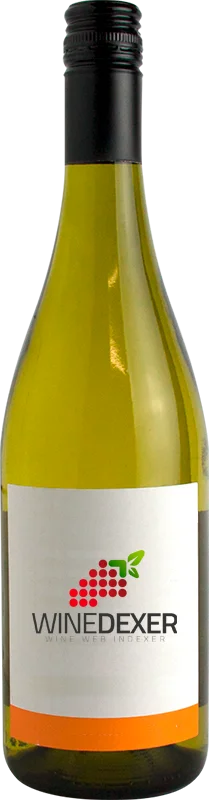
Château MalagarBordeaux Blanc
 White wine


In the mouth this white wine is a powerful.
This wine generally goes well with pork, vegetarian or poultry.

Taste structure of the Bordeaux Blanc from the Château Malagar
Light | Bold | |
Dry | Sweet | |
Soft | Acidic |
In the mouth the Bordeaux Blanc of Château Malagar in the region of Bordeaux is a powerful.
Food and wine pairings with Bordeaux Blanc
Pairings that work perfectly with Bordeaux Blanc



Original food and wine pairings with Bordeaux Blanc


The Bordeaux Blanc of Château Malagar matches generally quite well with dishes of pork, vegetarian or poultry such as recipes of pizza calzone with ham and mushrooms, quiche with bacon and gruyère cheese or ravioli with 2 cheeses.
Details and technical informations about Château Malagar's Bordeaux Blanc.
Discover the grape variety: Negrara Trentino
Light, fruity reds with a clear ruby colour, soft tannins and aromas of red fruits (cherry, raspberry), delicate alpine spices and fresh floral notes. An airy mountain profile best enjoyed young. Preserved for its heritage value, it contributes to artisanal cuvées in Trentino among the rare indigenous varieties of northern Italy.
Last vintages of this wine
The best vintages of Bordeaux Blanc from Château Malagar are 2010
Informations about the Château Malagar
The Château Malagar is one of of the world's greatest estates. It offers 7 wines for sale in the of Bordeaux to come and discover on site or to buy online.

The wine region of Bordeaux
World-renowned age-worthy reds, led by round Merlot (plum, black fruit) or firm Cabernet Sauvignon (blackcurrant, cedar, graphite), blended with Cabernet Franc and Petit Verdot for tannic structure. Structured Médoc and Graves, velvety Saint-Émilion and Pomerol. Also crisp dry whites (Sauvignon/Sémillon) and opulent sweet Sauternes with honey and candied fruit. A 110,000 ha Gironde vineyard, 65 appellations, cradle of the 1855 classified growths.
The word of the wine: Yellow wine
White wines from the Jura region aged in oak barrels without topping up for at least 6 years. A veil of yeast forms on the surface of the wine, which undergoes slow oxidation, giving it a particular taste reminiscent of nuts.