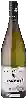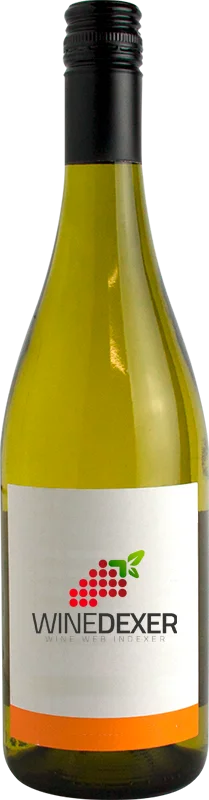
Maison Deux FleursMâcon-Fuissé 'Les Bruyères'
 White wine
This wine generally goes well with vegetarian, cured meat or pasta.

Food and wine pairings with Mâcon-Fuissé 'Les Bruyères'
Pairings that work perfectly with Mâcon-Fuissé 'Les Bruyères'



Original food and wine pairings with Mâcon-Fuissé 'Les Bruyères'
The Mâcon-Fuissé 'Les Bruyères' of Maison Deux Fleurs matches generally quite well with dishes of pasta, vegetarian or cured meat such as recipes of salmon cannelloni, quiche without eggs or basque chicken.
Details and technical informations about Maison Deux Fleurs's Mâcon-Fuissé 'Les Bruyères'.
Discover the grape variety: Chardonnay
Whites with many faces: mineral and taut at Chablis (lemon, green apple, flint), opulent and buttery at Meursault and Puligny-Montrachet (hazelnut, brioche, yellow fruits), tense and chalky in Champagne (Blanc de Blancs). Also vinified sparkling and widely exported (Sonoma, Margaret River, Casablanca). A Burgundian variety, a cross of Pinot Noir × Gouais Blanc, half-sibling of Aligoté.
Informations about the Maison Deux Fleurs
The Maison Deux Fleurs is one of wineries to follow in Mâcon-Fuissé.. It offers 12 wines for sale in the of Mâcon-Fuissé to come and discover on site or to buy online.

The wine region of Mâcon-Fuissé
Geographic denomination of the Mâconnais on the commune of Fuissé (Saône-et-Loire), 48 ha at the heart of Pouilly-Fuissé: 100% Chardonnay on Bathonian marl-limestone at 350 m on the summit of the Bois de la Roche. Crystalline pale gold whites with floral aromas of hawthorn, honeysuckle and mock orange, complemented by fresh fruit, balsamic and anise notes. Frank palate with refined calcareous grain, lively, bright and long. A quality, accessible alternative to its prestigious neighbour.
The wine region of Burgundy
Absolute reference for great terroir wines: opulent, mineral Chardonnay in whites (chiselled Chablis, buttery Meursault, majestic Montrachet), fine and silky Pinot Noir in reds (full-bodied Gevrey, structured Pommard, delicate Volnay). Exceptional age-worthy wines with complex notes - red fruits, undergrowth, butter, hazelnut. Some lively Aligoté and light Gamay (Mâconnais). 29,500 ha, 84 tiered AOCs (Régionale, Village, 1er Cru, Grand Cru), 1,247 UNESCO Climats.
The word of the wine: Ugni blanc
White grape variety of Italian origin, and the main white variety grown in France. Its large bunches give fine, light and lively wines, suitable for distillation: today it is the main variety for making cognac and armagnac. Ugni blanc, which is a little richer in alcohol when grown in Mediterranean regions, is used in the blending of the Provence and Corsica appellations, often in association with other grape varieties that bring aromas and structure, such as clairette, grenache blanc or sauvignon. Ugni blanc is also used, on a secondary basis, in the production of certain white wines in Gironde (AOC Bordeaux, Entre-deux-Mers, etc.).