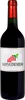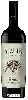
Winery Luciano BruniChianti
 wine
wine
This wine generally goes well with
The Chianti of the Winery Luciano Bruni is in the top 0 of wines of Chianti.

Details and technical informations about Winery Luciano Bruni's Chianti.
Discover the grape variety: Riesling italien
Lively, aromatic dry whites with a pale golden colour, supple palate with fresh acidity, signature aromas of white flowers (acacia, elder), citrus (lemon, grapefruit) and green almond notes. Also as sparkling and botrytised sweet wines. Widely grown in northern Italy, Austria, Hungary, Croatia and Slovenia. French synonym for Welschriesling, indigenous Central European white variety with no genetic link to German Riesling.
Informations about the Winery Luciano Bruni
The Winery Luciano Bruni is one of of the world's greatest estates. It offers 9 wines for sale in the of Chianti to come and discover on site or to buy online.

The wine region of Chianti
Emblem of Tuscan red: signature Sangiovese (70% min) with notes of morello cherry, plum, dried herbs, violet and leather, lively acidity and firm tannins, elegant gastronomic profile. Chianti Classico DOCG ("Gallo Nero") between Florence and Siena, more structured and age-worthy. Riserva and Gran Selezione at the top, barrel-aged. A few supporting grapes (Canaiolo, Colorino).
The wine region of Tuscany
Kingdom of Sangiovese: upright reds with cherry, plum, dried herbs and leather, lively acidity and firm tannins. Fleshy, food-friendly Chianti Classico DOCG, deep long-ageing Brunello di Montalcino (spice, tobacco, ripe black fruit), elegant Vino Nobile di Montepulciano. On the coast, Bolgheri crafts the opulent Cabernet- and Merlot-based 'Super Tuscans'. Some fresh white Vernaccia.
The word of the wine: Tanin
A natural compound contained in the skin of the grape, the seed or the woody part of the bunch, the stalk. The maceration of red wines allows the extraction of tannins, which give the texture, the solidity and also the mellowness when the tannins are "ripe". The winemaker seeks above all to extract the tannins from the skin, the ripest and most noble. The tannins of the seed or stalk, which are "greener", especially in average years, give the wine hardness and astringency. The wines of Bordeaux (based on Cabernet and Merlot) are full of tannins, those of Burgundy much less so, with Pinot Noir containing little.