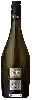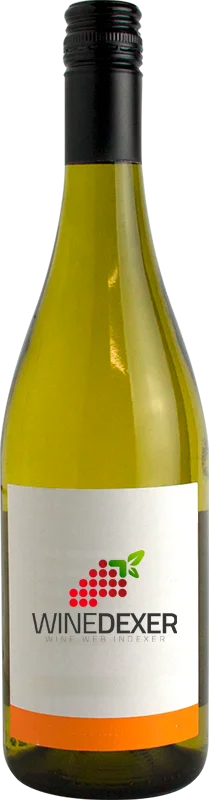
Winery Louis MondevilleCôtes de Gascogne
 White wine


This wine generally goes well with
Details and technical informations about Winery Louis Mondeville's Côtes de Gascogne.
Discover the grape variety: Merlot
Merlot noir is a grape variety that originated in France (Bordeaux). It produces a variety of grape specially used for wine making. It is rare to find this grape to eat on our tables. This variety of grape is characterized by small to medium sized bunches, and medium sized grapes. Merlot noir can be found in many vineyards: South West, Languedoc & Roussillon, Cognac, Bordeaux, Loire Valley, Armagnac, Burgundy, Jura, Champagne, Rhone Valley, Beaujolais, Provence & Corsica, Savoie & Bugey.
Informations about the Winery Louis Mondeville
The Winery Louis Mondeville is one of of the world's great estates. It offers 11 wines for sale in the of Côtes de Gascogne to come and discover on site or to buy online.

The wine region of Côtes de Gascogne
The wine region of Côtes de Gascogne is located in the region of Comté Tolosan of Vin de Pays of France. Wineries and vineyards like the Domaine Sichel or the Domaine Haut-Marin produce mainly wines white, red and sweet. The most planted grape varieties in the region of Côtes de Gascogne are Colombard, Gros Manseng and Merlot, they are then used in wines in blends or as a single variety. On the nose of Côtes de Gascogne often reveals types of flavors of red fruit, tangerine or jam and sometimes also flavors of watermelon, pomegranate or lemon grass.
The wine region of Comté Tolosan
Comte Tolosan is a PGI title that covers wines produced in a large area of Southwestern France. The PGI basin encompasses 12 administrative dePartments and is home to a wide range of appellations d'origine contrôlée (AOC) such as Jurançon, Cahors and Armagnac. The IGP label provides a geographical classification for wines that are not classified for AOC level appellations due to Grape variety or winemaking style. The region is part of the Aquitaine basin - the plains that lie between the Pyrenees, the Massif Central and the Atlantic Ocean to the west.
The word of the wine: Cornalin
Black grape variety native to the Valais (Switzerland). It produces renowned wines of a dark purple colour with violet hues, an elegant bouquet and a powerful, fresh, fruity (cherry) and spicy palate. Cornalin wines can be drunk young or after several years of ageing, with game.