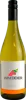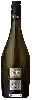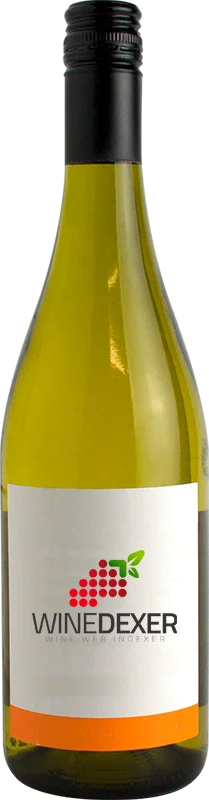
Winery Louis AlexandreBlanc de Blancs Sec
 White wine
This wine generally goes well with
Details and technical informations about Winery Louis Alexandre's Blanc de Blancs Sec.
Discover the grape variety: Arbane
Arbane or arbanne is a very old white grape variety from the north/east of France, coming from the Aube and more precisely from the Champagne region. The Comité Interprofessionnel des Vins de Champagne wishes to preserve the use of traditional grape varieties of Champagne. The Arbane is a small bunch of grapes with small berries and a very sweet pulp, a late variety that needs sun and heat to concentrate all its sugars. It gives a wine rich in alcohol, elegant and nervous, with a floral nose and a nice acidity.
Informations about the Winery Louis Alexandre
The Winery Louis Alexandre is one of of the world's greatest estates. It offers 8 wines for sale in the of Côtes de Gascogne to come and discover on site or to buy online.

The wine region of Côtes de Gascogne
The wine region of Côtes de Gascogne is located in the region of Comté Tolosan of Vin de Pays of France. Wineries and vineyards like the Domaine Sichel or the Domaine Haut-Marin produce mainly wines white, red and sweet. The most planted grape varieties in the region of Côtes de Gascogne are Colombard, Gros Manseng and Merlot, they are then used in wines in blends or as a single variety. On the nose of Côtes de Gascogne often reveals types of flavors of red fruit, tangerine or jam and sometimes also flavors of watermelon, pomegranate or lemon grass.
The wine region of Comté Tolosan
Comte Tolosan is a PGI title that covers wines produced in a large area of Southwestern France. The PGI basin encompasses 12 administrative dePartments and is home to a wide range of appellations d'origine contrôlée (AOC) such as Jurançon, Cahors and Armagnac. The IGP label provides a geographical classification for wines that are not classified for AOC level appellations due to Grape variety or winemaking style. The region is part of the Aquitaine basin - the plains that lie between the Pyrenees, the Massif Central and the Atlantic Ocean to the west.
The word of the wine: Organic (agriculture)
A type of agriculture (and therefore viticulture) based on respect for living organisms and biological cycles, and which excludes the use of synthetic treatment products and synthetic fertilizers. Organic farming is guaranteed by the respect of a set of specifications.