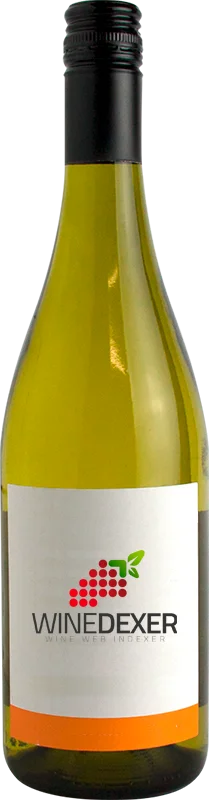
Winery Les Vignes de ParadisTerroir du Léman Fleur de Paradis
 White wine


This wine generally goes well with

Details and technical informations about Winery Les Vignes de Paradis's Terroir du Léman Fleur de Paradis.
Discover the grape variety: Sankt Laurent
Structured and elegant reds with a deep ruby robe, silky tannins and a smooth palate, with signature aromas of red fruits (cherry, sour cherry), black fruits (blackberry), soft spices, undergrowth and balsamic notes. Fine ageing potential, close in profile to Pinot Noir. The star of the great reds of Austria's Burgenland and present in the Czech Republic (Svatovavřinecké). Native Austrian black grape, genetically related to Pinot Noir.
Informations about the Winery Les Vignes de Paradis
The Winery Les Vignes de Paradis is one of of the world's greatest estates. It offers 32 wines for sale in the of Vins des Allobroges to come and discover on site or to buy online.

The wine region of Vins des Allobroges
Savoyard and Bugeyiste IGP (Lake Geneva, Rhone, Isere and Alps, varied soils): Altesse, Jacquère, Chasselas, Chardonnay, Roussanne and Mondeuse Blanche signature whites (66%) — rustic and alpine with floral or mineral aromas depending on variety, light and sometimes perlant, expression of Savoyard terroir. Mondeuse, Gamay and Pinot Noir in reds (23%) with red fruits, rosés (7%), sparkling (4%).
The wine region of Comtés Rhodaniens
Regional IGP (1989) covering 9 departments of the Rhône valley and Alpine foothills (Ardèche, Drôme, Isère, Savoie, Loire), hillside vineyards at 250-600 m. Syrah and Gamay are the signature reds with red and black fruit notes, pepper and violet, supple tannins — accessible and enjoyable style. Viognier, Marsanne and Roussanne for aromatic whites with apricot, peach, white flowers and honeyed notes. Taut Chardonnay and fine Pinot Noir on cooler zones.
The word of the wine: Sulphur
An antiseptic and antioxidant substance known since antiquity, probably already used by the Romans. But it was only in modern times that its use was rediscovered. It will allow a better conservation of the wine and thus favour its export. Sulphur also gave the 18th century winegrower the possibility of extending the maceration period without fearing that the wine would turn sour and thus go from dark rosé wines to the red wines of today. Excessive sulphur, on the other hand, kills happiness, paralysing the aromas and causing headaches.