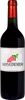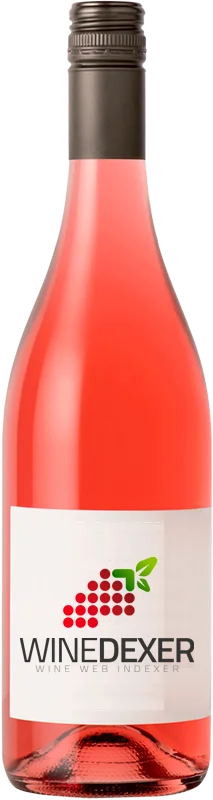
Les Cave des Vignerons Réunis du GrésivaudanRosé
 Pink wine
This wine generally goes well with

Details and technical informations about Les Cave des Vignerons Réunis du Grésivaudan's Rosé.
Discover the grape variety: Admirable de Courtiller
Table grape with long clusters and juicy, crunchy golden berries with delicate sweet and muscat-tinged flavours and thin skin. Vinified in limited quantities, giving simple, fresh and lightly muscat-scented whites. Now rare, appreciated by enthusiasts and preserved in French ampelographic collections, listed in the official Catalogue on List A1. French table grape variety from a chasselas × bicane cross obtained around 1840 in Saumur by Dr Courtiller.
Informations about the Les Cave des Vignerons Réunis du Grésivaudan
The Les Cave des Vignerons Réunis du Grésivaudan is one of of the world's greatest estates. It offers 5 wines for sale in the of Isere to come and discover on site or to buy online.

The wine region of Isere
IGP of the Alpine foothills (Chartreuse, Belledonne, Vercors, glacial moraine terraces and draining clay-limestone scree, marked thermal amplitude). Verdesse and Jacquère are the native signature whites with mineral notes, white flowers and citrus; Chardonnay and Viognier as complements. Mondeuse Noire, Persan and Étraire de la Dui are the native signature reds; Pinot Noir and Syrah as complements. Coteaux du Grésivaudan since 1981, IGP status from 2011.
The wine region of Comtés Rhodaniens
Regional IGP (1989) covering 9 departments of the Rhône valley and Alpine foothills (Ardèche, Drôme, Isère, Savoie, Loire), hillside vineyards at 250-600 m. Syrah and Gamay are the signature reds with red and black fruit notes, pepper and violet, supple tannins — accessible and enjoyable style. Viognier, Marsanne and Roussanne for aromatic whites with apricot, peach, white flowers and honeyed notes. Taut Chardonnay and fine Pinot Noir on cooler zones.
The word of the wine: Viscosity
Consistency of wine reminiscent of the tactile sensation of sugar syrup with varying degrees of fluidity, due to the alcohol and natural sugar in the grapes present in sweet wines. In excess, this sensation can make the wine pasty and heavy. To the eye, viscosity is referred to as tears.