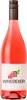
Winery Lelovits TamasA Csuda Bogár Rozé
 wine
wine
This wine generally goes well with
The A Csuda Bogár Rozé of the Winery Lelovits Tamas is in the top 0 of wines of Villány.

Details and technical informations about Winery Lelovits Tamas's A Csuda Bogár Rozé.
Discover the grape variety: Verdeca
Lively, refreshing whites with a pale robe, lean palate and fresh acidity. Delicate aromas of citrus (lemon, grapefruit), green apple, white flowers, fresh almond and saline mineral notes. Light finish, best drunk young. Star of Locorotondo DOC and Martina Franca DOC in the Itria Valley at the heart of Puglia; long used for vermouths. Native Apulian variety, identical to the Greek Lagorthi according to recent DNA analysis.
Informations about the Winery Lelovits Tamas
The Winery Lelovits Tamas is one of of the world's great estates. It offers 29 wines for sale in the of Villány to come and discover on site or to buy online.

The wine region of Villány
Hungary's hottest region, kingdom of powerful reds in the south. Signature Cabernet Franc ("Villányi Franc"): deep and refined with notes of ripe blackcurrant, black pepper, violet, graphite and tobacco, firm tannins and great ageing potential. Also fleshy, spicy Kékfrankos (Blaufränkisch), supple, fruity Portugieser, round Merlot and dense Cabernet Sauvignon. Successful Bordeaux blends.
The wine region of Dél-Pannónia
Southern Hungary (Pécs, Szekszárd, Villány, Tolna), ~7,800 ha on loess and limestone, continental climate with Mediterranean influences — bastion of great Hungarian reds. Kékfrankos and Kadarka signatures as native red kings: spiced and structured with black cherry, blackberry, plum, paprika, pepper and smoky hint, firm tannins. Ripe Cabernet Franc and Sauvignon in Bordeaux blends at Villány. Specialities Szekszárdi Bikavér and unique Cirfandli white at Pécs (spiced, honeyed).
The word of the wine: Breton
See cabernet franc.