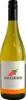
Domaine du TartemainRéserve Vouvray
 wine
wine
This wine generally goes well with
The Réserve Vouvray of the Domaine du Tartemain is in the top 0 of wines of Vouvray.
Details and technical informations about Domaine du Tartemain's Réserve Vouvray.
Discover the grape variety: Glera
It is said to be of Slovenian origin, where it is cultivated under the name of Prosekar, also known for a long time in Italy under the name of Glera. It should not be confused with prosecco lungo - although there is a family link - and prosecco nostrano, which is none other than Tuscany's malvasia. Note that Vitouska - another Italian grape variety - is the result of a natural intraspecific cross between Tuscan malvasia and Prosecco. Under the name of Glera, it is registered in the Official Catalogue of wine grape varieties list A. It can be found in practically all of the former Yugoslavia, and more surprisingly in Argentina, but is virtually unknown in France.
Informations about the Domaine du Tartemain
The Domaine du Tartemain is one of of the world's greatest estates. It offers 6 wines for sale in the of Vouvray to come and discover on site or to buy online.

The wine region of Vouvray
Vouvray is the most famous and most respected appellation of the Loire Valley's Touraine growing region. The title covers white wines of various styles (sweet wine, dry, still and sparkling), from eight villages around the medieval town of Vouvray, on the northern banks of the Loire river. Vouvray is the flagship wine of the Chenin Blanc grape (or Pineau de la Loire as it is known there), followed ever-closer by Savennieres and the sweet whites of Anjou. Few wine regions in the world use Chenin to the same extent.
The wine region of Loire Valley
The Loire Valley is a key wine region in western France. It follows the course of the Loire River on its Long journey through the heart of France, from the inland hills of the Auvergne to the plains of the French Atlantic coast near Nantes (Muscadet country). Important in terms of quantity and quality, the region produces large quantities (about 4 million h/l each year) of everyday wines, as well as some of France's greatest wines. Diversity is another of the region's major assets; the styles of wine produced here range from the light, tangy Muscadet to the Sweet, honeyed Bonnezeaux, the Sparkling whites of Vouvray and the juicy, Tannic reds of Chinon and Saumur.
The word of the wine: Free-run wine
The free-run wine is the wine that flows out of the vat by gravity at the time of running off. The marc soaked in wine is then pressed to extract a rich and tannic wine. Free-run wine and press wine are then aged separately and eventually blended by the winemaker in proportions defined according to the type of wine being made.