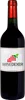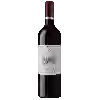
Le Clos du MounatLa Tresse Côtes de Bourg
 wine
wine
This wine generally goes well with
The La Tresse Côtes de Bourg of the Le Clos du Mounat is in the top 0 of wines of Côtes de Bourg.

Details and technical informations about Le Clos du Mounat's La Tresse Côtes de Bourg.
Discover the grape variety: Mauzac Vert
Lively, aromatic dry whites with a pale golden hue and green highlights, slender body and sharp acidity; signature aromas of green apple, white flowers (acacia), citrus (lemon) and herbaceous notes. Also used for crisp, lively sparkling wines by the ancestral method. Preserved for its heritage value, it survives in a few confidential plots in Gaillac and Limoux. Green-skinned mutation of Mauzac, emblematic South-West white grape.
Informations about the Le Clos du Mounat
The Le Clos du Mounat is one of of the world's greatest estates. It offers 6 wines for sale in the of Côtes de Bourg to come and discover on site or to buy online.

The wine region of Côtes de Bourg
The "little Switzerland of the Gironde" on the right bank (north of Bordeaux facing the Médoc): signature Merlot reigns in reds — fleshy and gourmand with black cherry, blackberry, plum, blackcurrant and a sweet-spice touch, velvety tannins. Distinctive feature: Côt (Malbec), a renowned local grape giving colour, structure and personality — the only Bordeaux AOC to vinify it solo. Cabernet Sauvignon complements. Ageing 5-10 years.
The wine region of Bordeaux
World-renowned age-worthy reds, led by round Merlot (plum, black fruit) or firm Cabernet Sauvignon (blackcurrant, cedar, graphite), blended with Cabernet Franc and Petit Verdot for tannic structure. Structured Médoc and Graves, velvety Saint-Émilion and Pomerol. Also crisp dry whites (Sauvignon/Sémillon) and opulent sweet Sauternes with honey and candied fruit. A 110,000 ha Gironde vineyard, 65 appellations, cradle of the 1855 classified growths.
The word of the wine: Arching
A stage in the vegetative cycle of the vine that occurs after the leaves have fallen and is characterized by the drying out of the soft shoots, which are transformed into hard shoots by lignification.