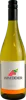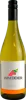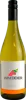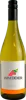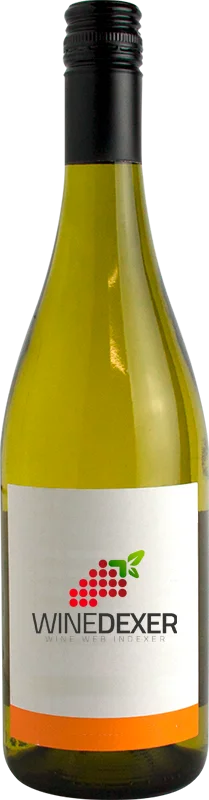
Winery Le Cellier du PalaisMinute Papillon Roussanne
 White wine
This wine generally goes well with

Details and technical informations about Winery Le Cellier du Palais's Minute Papillon Roussanne.
Discover the grape variety: Roussanne
Aromatic and elegant whites, rich yet lifted by fine freshness, with hawthorn, honeysuckle, apricot, pear, honey, green tea, mineral and herbal notes. Fine ageing potential. Key variety in the great whites of the northern Rhône (Hermitage, Crozes-Hermitage, Saint-Joseph, Saint-Péray) blended with marsanne, and one of the 13 permitted grapes at Châteauneuf-du-Pape. Native Rhône variety.
Informations about the Winery Le Cellier du Palais
The Winery Le Cellier du Palais is one of of the world's greatest estates. It offers 10 wines for sale in the of Vins des Allobroges to come and discover on site or to buy online.

The wine region of Vins des Allobroges
Savoyard and Bugeyiste IGP (Lake Geneva, Rhone, Isere and Alps, varied soils): Altesse, Jacquère, Chasselas, Chardonnay, Roussanne and Mondeuse Blanche signature whites (66%) — rustic and alpine with floral or mineral aromas depending on variety, light and sometimes perlant, expression of Savoyard terroir. Mondeuse, Gamay and Pinot Noir in reds (23%) with red fruits, rosés (7%), sparkling (4%).
The wine region of Comtés Rhodaniens
Regional IGP (1989) covering 9 departments of the Rhône valley and Alpine foothills (Ardèche, Drôme, Isère, Savoie, Loire), hillside vineyards at 250-600 m. Syrah and Gamay are the signature reds with red and black fruit notes, pepper and violet, supple tannins — accessible and enjoyable style. Viognier, Marsanne and Roussanne for aromatic whites with apricot, peach, white flowers and honeyed notes. Taut Chardonnay and fine Pinot Noir on cooler zones.
The word of the wine: Oenologist
Specialist in wine-making techniques. It is a profession and not a passion: one can be an oenophile without being an oenologist (and the opposite too!). Formerly attached to the Faculty of Pharmacy, oenology studies have become independent and have their own university course. Learning to make wine requires a good chemical background but also, increasingly, a good knowledge of the plant. Some oenologists work in laboratories (analysis). Others, the consulting oenologists, work directly in the properties.