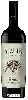
Winery LavignaChianti
 Unknow wine



This wine generally goes well with poultry, beef or veal.
Food and wine pairings with Chianti
Pairings that work perfectly with Chianti



Original food and wine pairings with Chianti
The Chianti of Winery Lavigna matches generally quite well with dishes of beef, veal or poultry such as recipes of beef mironton, braised veal heart with carrots or chicken on a bed of summer vegetables.
Details and technical informations about Winery Lavigna's Chianti.
Discover the grape variety: Triomphe d'Alsace
An interspecific cross between the 101-14 Millardet and Grasset (Vitis Riparia x Vitis Rupestris) and the knipperlé, obtained by Eugène Kuhlmann around 1911 and marketed from 1921. It can still be found in England, the United States, Canada, the Netherlands and Belgium. It should be noted that there is a grape variety of American origin, fortunately white, bearing the name of triumph (concord x chasselas musqué).
Last vintages of this wine
The best vintages of Chianti from Winery Lavigna are 0
Informations about the Winery Lavigna
The Winery Lavigna is one of of the world's greatest estates. It offers 5 wines for sale in the of Chianti to come and discover on site or to buy online.

The wine region of Chianti
The wine region of Chianti is located in the region of Toscane of Italy. We currently count 1721 estates and châteaux in the of Chianti, producing 2759 different wines in conventional, organic and biodynamic agriculture. The wines of Chianti go well with generally quite well with dishes .
The wine region of Tuscany
Tuscany is one of the most famous and prolific wine regions in Europe. It is best known for its Dry red wines made from Sangiovese grapes, which dominate production. These include Chianti, Brunello di Montalcino and Vino Nobile di Montepulciano. The region's Vin Santo is also highly prized, as are its passito dessert wines, though these are produced in comparatively tiny quantities.
The word of the wine: Bleeding
Old practice for red wines. As soon as the vat is filled with grapes, the tap is opened. A sweet but clear juice escapes from the vat (it can also be used to make rosé). The colour and density of the juice is enhanced, but it should not be overdone. Rarely more than 10% of the volume of a vat, otherwise you risk losing fruit and bringing in bitterness.