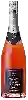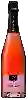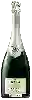
Winery Laurent LequartTradition Brut Champagne
 Sparkling wine


This wine generally goes well with pork, rich fish (salmon, tuna etc) or shellfish.

Food and wine pairings with Tradition Brut Champagne
Pairings that work perfectly with Tradition Brut Champagne



Original food and wine pairings with Tradition Brut Champagne

The Tradition Brut Champagne of Winery Laurent Lequart matches generally quite well with dishes of pork, rich fish (salmon, tuna etc) or shellfish such as recipes of roast pork with prunes, tuna and mozzarella pie or chicken with scampi for christmas.
Details and technical informations about Winery Laurent Lequart's Tradition Brut Champagne.
Discover the grape variety: Crouchen
Fresh and barely aromatic dry whites with a pale golden robe, a supple palate and preserved acidity, with discreet aromas of white flowers, citrus (lemon) and herbal notes. A rustic thirst-quenching profile to drink young. Now rare in France, still grown in South Africa (Crouchen Blanc) and Australia (mistakenly called Clare Riesling), producing simple whites. Native French white grape from the Pyrenees, once grown in Béarn and the South-West.
Informations about the Winery Laurent Lequart
The Winery Laurent Lequart is one of of the world's great estates. It offers 31 wines for sale in the of Champagne to come and discover on site or to buy online.

The wine region of Champagne
World benchmark sparkling wines: fine bubbles, citrusy tension, notes of brioche, toasted almond, white flowers and white-fleshed fruits after ageing on lees. Three grapes blended or solo: fleshy Pinot Noir (38%), fruity Meunier (33%), chiselled Chardonnay (28%). From straight Blanc de Blancs to vinous Blanc de Noirs, from non-vintage Brut to age-worthy Millésimé. AOC since 1927, 34,300 ha on chalk, 17 Grands Crus and 44 Premiers Crus.
The word of the wine: Bitter (flavor)
A flavour generally provided in wines by polyphenols and accompanied by a sensation of pungency. In small quantities, bitterness makes you salivate, gives relief to the wine and reinforces its sapidity.