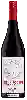
Winery LammershoekCellar Foot the Hárslevelü
 White wine



This wine generally goes well with

Wine flavors and olphactive analysis



On the nose the Cellar Foot the Hárslevelü of Winery Lammershoek in the region of Western Cape often reveals types of flavors of tree fruit, spices.
Details and technical informations about Winery Lammershoek's Cellar Foot the Hárslevelü.
Discover the grape variety: Harslevelu
Aromatic and structured whites with an ample palate and firm acidity, on aromas of linden flowers (hence its name, hárslevelű = linden leaf), honey, apricot, quince, yellow peach and spiced notes. Exceptional aptitude for noble rot. An essential component of the great Tokaji Aszú liquoreux and Tokaji Szamorodni, also vinified as ambitious dry whites at Somló and Eger. Native Hungarian variety, Furmint's historical partner in Tokaj.
Last vintages of this wine
The best vintages of Cellar Foot the Hárslevelü from Winery Lammershoek are 2010, 0, 2013
Informations about the Winery Lammershoek
The Winery Lammershoek is one of of the world's great estates. It offers 54 wines for sale in the of Swartland to come and discover on site or to buy online.

The wine region of Swartland
South African renaissance north of Cape Town: signature Chenin Blanc as king white (old bush vines) — full and mineral with notes of quince, honey, yellow fruits, toasted almond and a saline touch, noble texture and a refined finish. Signature Syrah as king red — spicy and fleshy with blackberry, raspberry, garrigue and pepper, fine tannins. Grenache and Cinsault complete it. Non-interventionist winemaking (whole bunch, old foudres).
The wine region of Western Cape
Cradle of South African wine. Signature Chenin Blanc (Steen, 20%) in ample, fresh whites with notes of quince, yellow apple, honey and acacia flower, from crisp dry to sweet. Sharp, iodised Sauvignon Blanc (Walker Bay, Constantia), balanced Chardonnay. Reds: emblematic Pinotage with roasted aromas (coffee, plum, smoke), firm Cabernet Sauvignon, spicy Syrah.
The word of the wine: Rafle (taste of)
A taste considered a defect, characterized by an unpleasant astringency and bitterness, brought by the stalk during the vinification process. In order to avoid it, destemming before vinification is a common practice.