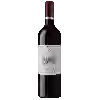
Château La ChevronneCôtes de Bourg
 wine
wine
This wine generally goes well with
The Côtes de Bourg of the Château La Chevronne is in the top 0 of wines of Côtes de Bourg.

Details and technical informations about Château La Chevronne's Côtes de Bourg.
Discover the grape variety: Arandell
Colourful and fruity reds with a deep purple hue, supple tannins and an airy palate with preserved acidity, featuring signature aromas of red fruits (cherry) and dark fruits (blackberry). Early-ripening and disease-resistant. Grown in the north-eastern USA, it represents the new generation of hybrid varieties adapted to northern continental wine-growing climates. American black hybrid variety obtained in 2013 by Cornell University, a disease-resistant cross.
Informations about the Château La Chevronne
The Château La Chevronne is one of of the world's greatest estates. It offers 3 wines for sale in the of Côtes de Bourg to come and discover on site or to buy online.

The wine region of Côtes de Bourg
The "little Switzerland of the Gironde" on the right bank (north of Bordeaux facing the Médoc): signature Merlot reigns in reds — fleshy and gourmand with black cherry, blackberry, plum, blackcurrant and a sweet-spice touch, velvety tannins. Distinctive feature: Côt (Malbec), a renowned local grape giving colour, structure and personality — the only Bordeaux AOC to vinify it solo. Cabernet Sauvignon complements. Ageing 5-10 years.
The wine region of Bordeaux
World-renowned age-worthy reds, led by round Merlot (plum, black fruit) or firm Cabernet Sauvignon (blackcurrant, cedar, graphite), blended with Cabernet Franc and Petit Verdot for tannic structure. Structured Médoc and Graves, velvety Saint-Émilion and Pomerol. Also crisp dry whites (Sauvignon/Sémillon) and opulent sweet Sauternes with honey and candied fruit. A 110,000 ha Gironde vineyard, 65 appellations, cradle of the 1855 classified growths.
The word of the wine: Sulphur
An antiseptic and antioxidant substance known since antiquity, probably already used by the Romans. But it was only in modern times that its use was rediscovered. It will allow a better conservation of the wine and thus favour its export. Sulphur also gave the 18th century winegrower the possibility of extending the maceration period without fearing that the wine would turn sour and thus go from dark rosé wines to the red wines of today. Excessive sulphur, on the other hand, kills happiness, paralysing the aromas and causing headaches.