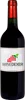
La Cave des Coteaux du LyonnaisCuvée Vieilles Vignes
 Red wine


This wine generally goes well with
The Cuvée Vieilles Vignes of the La Cave des Coteaux du Lyonnais is in the top 50 of wines of Coteaux du Lyonnais.
Details and technical informations about La Cave des Coteaux du Lyonnais's Cuvée Vieilles Vignes.
Discover the grape variety: Bourboulenc
Bourboulenc is mainly grown in the southern part of France. It is a white grape variety that ripens quite late. It can only be harvested around 25 September and for an average of only one month. Bourboulenc is particularly fond of low-lying, but at the same time warm and dry locations. The aroma of this grape variety is not very pronounced, but it has a certain exotic fruit and floral aroma such as broom. The result is a low alcohol wine with subtle and fleeting aromas. Blanquette, bourboulanc, bourboulenque, doucillon, clairette dorée and clairette blanche are all names that can designate bourboulenc. This grape variety is very sensitive to diseases common to all vine plants such as magnesium deficiency, mildew and oidium. Bourboulenc can be used as a table grape. Most French people keep the bunches until Christmas in order to present them on the festive table as desserts.
Last vintages of this wine
The best vintages of Cuvée Vieilles Vignes from La Cave des Coteaux du Lyonnais are 2013
Informations about the La Cave des Coteaux du Lyonnais
The La Cave des Coteaux du Lyonnais is one of of the world's great estates. It offers 24 wines for sale in the of Coteaux du Lyonnais to come and discover on site or to buy online.

The wine region of Coteaux du Lyonnais
Côtes du Rhône Villages is an appellation that groups together the red and white wines of certain villages in the Rhône region of France. All are located in the southern half of the region, immediately east and west of the town of Orange. Wines produced under this appellation must meet higher standards than the Generic Côtes du Rhône title. They come from vineyards located in areas that have the potential to produce distinctive, good quality wines.
The wine region of Rhone Valley
The Rhone Valley is a key wine-producing region in Southeastern France. It follows the North-south course of the Rhône for nearly 240 km, from Lyon to the Rhône delta (Bouches-du-Rhône), near the Mediterranean coast. The Length of the valley means that Rhône wines are the product of a wide variety of soil types and mesoclimates. The viticultural areas of the region cover such a distance that there is a widely accepted division between its northern and southern parts.
The word of the wine: Polyphenols
Substance contained essentially in the skin of the grape. The main ones are anthocyanins, which give red wines their colour and tannins.