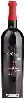
Winery L'AntesiSalice Salentino Bianco
 wine
wine
This wine generally goes well with
The Salice Salentino Bianco of the Winery L'Antesi is in the top 0 of wines of Salice Salentino.

Details and technical informations about Winery L'Antesi's Salice Salentino Bianco.
Discover the grape variety: Prugnolo Gentile
Structured and elegant reds with a deep ruby robe, firm yet melted tannins and a dense palate with fine acidity, showing signature aromas of red fruits (morello cherry, raspberry), plum ("prugnolo" = small plum), violet, spices, tobacco and Tuscan balsamic notes. Fine ageing potential. Star of Vino Nobile di Montepulciano DOCG, one of the great Tuscan reds for ageing. Tuscan synonym for Sangiovese grown in Montepulciano.
Informations about the Winery L'Antesi
The Winery L'Antesi is one of of the world's greatest estates. It offers 8 wines for sale in the of Salice Salentino to come and discover on site or to buy online.

The wine region of Salice Salentino
Apulia DOC in the heel of the boot (Salento), realm of native Negroamaro (min. 75-90%) on terra rossa. Signature powerful sunny reds with notes of candied black cherry, blackberry, tobacco, leather, liquorice and sweet spice touch, round tannins and warm mouth — Southern heat in the bottle. Often completed by aromatic Malvasia Nera.
The wine region of Puglia
Heel of the boot, 80% red vineyard, sunny and generous. Fleshy, jammy Primitivo (= Zinfandel) with notes of black cherry, plum, chocolate and spices, powerful alcohol and melted tannins, a star in Primitivo di Manduria. Deep, structured Negroamaro (black-bitter) with a bitter finish in Salice Salentino. Structured Nero di Troia, spicy Susumaniello.
The word of the wine: New
Said of a wine from the last harvest, and more particularly of an early wine.