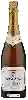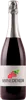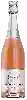
Winery JoiyLive For Today Sparkling Rosé
 Sparkling wine


This wine generally goes well with

Wine flavors and olphactive analysis

On the nose the Live For Today Sparkling Rosé of Winery Joiy in the region of South Island often reveals types of flavors of tree fruit, citrus fruit.
Details and technical informations about Winery Joiy's Live For Today Sparkling Rosé.
Discover the grape variety: Aglianico
Powerful, tannic reds with deep colour and tight structure, with aromas of black cherry, blackberry, leather, tobacco, coffee and balsamic-volcanic mineral notes. High acidity and very fine ageing potential, often compared to nebbiolo. Star of Taurasi DOCG in Campania and Aglianico del Vulture DOCG in Basilicata (vines planted on volcanic soils). Late-ripening southern Italian variety of probable ancient Greek origin.
Last vintages of this wine
The best vintages of Live For Today Sparkling Rosé from Winery Joiy are 0
Informations about the Winery Joiy
The Winery Joiy is one of of the world's greatest estates. It offers 4 wines for sale in the of Central Otago to come and discover on site or to buy online.

The wine region of Central Otago
The world's southernmost vineyard, jewel of New Zealand Pinot Noir. Intense, deep reds with signature notes of black cherry, ripe plum, violet, wild thyme and sweet spices, velvety tannins and a freshness kept taut by cold nights — a fleshy, sun-soaked style. Also ample Pinot Gris (pear, honey), dry and off-dry Riesling with lively citrus, precise Chardonnay. Vineyards between 200-450 m on schist soils, continental climate.
The wine region of South Island
New Zealand's southern island, cradle of the country's great wines. Sauvignon Blanc signature in Marlborough (~80% of national vineyard): explosive and tropical with grapefruit, passion fruit, boxwood, cut grass and mineral touch — global benchmark. Pinot Noir star in Central Otago (among the most southerly) and Waipara: airy with cherry, raspberry, undergrowth, thyme. Taut Riesling, precise Chardonnay, floral Pinot Gris.
The word of the wine: Film maceration
A technique that consists of leaving the grapes to macerate in the open air at a low temperature before fermentation, thus enhancing the aromatic expression of the wine.