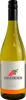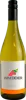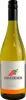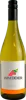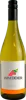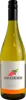
Winery Johannes HaasGrauer Burgunder Spätlese Trocken
 White wine



In the mouth this white wine is a .
This wine generally goes well with pork, cured meat or mushrooms.
Taste structure of the Grauer Burgunder Spätlese Trocken from the Winery Johannes Haas
Light | Bold | |
Dry | Sweet | |
Soft | Acidic |
In the mouth the Grauer Burgunder Spätlese Trocken of Winery Johannes Haas in the region of Nahe is a .
Food and wine pairings with Grauer Burgunder Spätlese Trocken
Pairings that work perfectly with Grauer Burgunder Spätlese Trocken


Original food and wine pairings with Grauer Burgunder Spätlese Trocken

The Grauer Burgunder Spätlese Trocken of Winery Johannes Haas matches generally quite well with dishes of pork, spicy food or mushrooms such as recipes of chinchards with white wine and grapes, chicken tagine with apricots or baked eggs.
Details and technical informations about Winery Johannes Haas's Grauer Burgunder Spätlese Trocken.
Discover the grape variety: Raisaine
Most certainly Ardéchoise, formerly cultivated in the region of Privas, Aubenas, Joyeuse and Largentière. It is the result of a natural intra-specific crossing between the black ribier and the red grec. Today, Raisaine is totally absent from the vineyards and is therefore in danger of disappearing, although it is listed in the Official Catalogue of Wine Grapes, list A.
Last vintages of this wine
The best vintages of Grauer Burgunder Spätlese Trocken from Winery Johannes Haas are 0
Informations about the Winery Johannes Haas
The Winery Johannes Haas is one of of the world's greatest estates. It offers 25 wines for sale in the of Nahe to come and discover on site or to buy online.

The wine region of Nahe
Nahe is one of the smaller German wine regions, named after the Nahe river which joins the Rhein at Rheinhessen/bingen">Bingen. The viticultural carea here is characterised by dramatic topography with steep slopes and craggy outcrops of metamorphic rock. Like most of the regions on or near the Rhine, its most prestigious wines are made from Riesling. There are around 4,000 hectares (10,000 acres) of Vineyards, spread across seven Grosslagen (wine districts) and over 300 Einzellagen (individual vineyard sites).
The word of the wine: Ovoids (tanks)
Egg-shaped vats used for wine making and maturing that favour the natural suspension of the lees thanks to the vortex movements, which give the wine more fat and fruity aromas.