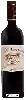
Winery Jean-Paul CartierDomaine de Caillives Loupiac
 Sweet wine
This wine generally goes well with
The Domaine de Caillives Loupiac of the Winery Jean-Paul Cartier is in the top 40 of wines of Loupiac.

Details and technical informations about Winery Jean-Paul Cartier's Domaine de Caillives Loupiac.
Discover the grape variety: Balcic
Supple, fruity whites to drink young with a pale golden robe, an airy, low-alcohol palate with moderate acidity, and signature aromas of white-fleshed fruits (peach, pear), white flowers and light Muscat notes. Early-ripening. Grown in Dobrudja on the Romanian Black Sea coast, mainly destined for young consumption, it remains little-known outside its regions of origin. A Romanian white grape bred at Murfatlar by crossing with Riesling Italico.
Informations about the Winery Jean-Paul Cartier
The Winery Jean-Paul Cartier is one of of the world's greatest estates. It offers 2 wines for sale in the of Loupiac to come and discover on site or to buy online.

The wine region of Loupiac
Sweet AOC on the right bank of the Garonne (Entre-deux-Mers, opposite Barsac): Sémillon signature sweet white king (~80%) — thick skin welcoming Botrytis cinerea (noble rot), signature rich, ample and unctuous profile with signature aromas of honey, candied fruits, dried apricot and white flowers, elegant structure balanced by acidity. Sauvignon Blanc bringing citrus liveliness and herbaceous touches, floral Muscadelle in complement. Style close to Sauternes.
The wine region of Bordeaux
World-renowned age-worthy reds, led by round Merlot (plum, black fruit) or firm Cabernet Sauvignon (blackcurrant, cedar, graphite), blended with Cabernet Franc and Petit Verdot for tannic structure. Structured Médoc and Graves, velvety Saint-Émilion and Pomerol. Also crisp dry whites (Sauvignon/Sémillon) and opulent sweet Sauternes with honey and candied fruit. A 110,000 ha Gironde vineyard, 65 appellations, cradle of the 1855 classified growths.
The word of the wine: Cinsault
Cinsault is a southern black grape variety that can be found in the blends of most Mediterranean appellations, but most often as an accessory grape variety. It is undoubtedly most present in certain rosé wines (in Corbières, Côtes-de-Provence, etc.): it gives these wines highly appreciated aromas of strawberry, peach and raspberry. In vin de pays (IGP), it is often vinified on its own, usually as a rosé.