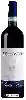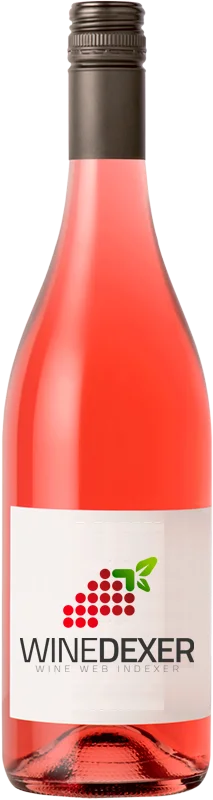
Winery Cascina CarràRosa Thea Rosato
 Pink wine



This wine generally goes well with beef, veal or lamb.

Food and wine pairings with Rosa Thea Rosato
Pairings that work perfectly with Rosa Thea Rosato



Original food and wine pairings with Rosa Thea Rosato

The Rosa Thea Rosato of Winery Cascina Carrà matches generally quite well with dishes of beef, lamb or veal such as recipes of monkfish tagine, chakchouka or filet mignon of veal with cider.
Details and technical informations about Winery Cascina Carrà's Rosa Thea Rosato.
Discover the grape variety: Nebbiolo
Austere, noble reds, pale in colour and quick to turn garnet, with powerful tannins and high acidity, showing aromas of sour cherry, faded rose, tar, white truffle, leather and balsamic notes with age. Outstanding ageing potential. Absolute star of Piedmont with Barolo DOCG and Barbaresco DOCG, also in Roero, Gattinara, Ghemme and Valtellina (Chiavennasca). A late-ripening Italian variety among the world's greatest.
Last vintages of this wine
The best vintages of Rosa Thea Rosato from Winery Cascina Carrà are 0
Informations about the Winery Cascina Carrà
The Winery Cascina Carrà is one of of the world's great estates. It offers 11 wines for sale in the of Monferrato to come and discover on site or to buy online.

The wine region of Monferrato
Historic cradle of Barbera (native here): indulgent reds with notes of ripe cherry, plum and raspberry, signature fresh acidity and supple tannins. Also identity grapes: pale, tannic, peppery Grignolino red, aromatic Ruchè (rose, spices, DOCG at Castagnole), Freisa and sweet muscat Brachetto. Whites: ample Cortese (base of neighbouring Gavi), aromatic Malvasia. Fruity Dolcetto.
The wine region of Piedmont
Kingdom of Nebbiolo: Barolo and Barbaresco DOCG, long-ageing reds with firm tannins and lively acidity, complex aromas of withered rose, sour cherry, tar, truffle and undergrowth. More accessible, tangy Barbera on red fruit, supple, crisp Dolcetto. Sweet, floral sparkling Moscato d'Asti, mineral, lemony Gavi (Cortese) white, round, almondy Arneis from Roero. 50,000 ha across the Langhe, Roero and Monferrato, UNESCO.
The word of the wine: Tartar (deposit)
White, chalky deposits that occur as a result of precipitation inside bottles and are often considered by consumers as a defect. They are in fact tartaric salts formed by tartaric acid, potassium and calcium naturally present in the wine. This deposit does not alter the quality of the wine and can be eliminated by a simple decanting.