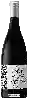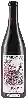
Winery ImibaliNative Red
 Red wine


This wine is a blend of 2 varietals which are the Pinotage and the Ruby-cabernet.
This wine generally goes well with poultry and game (deer, venison).
Food and wine pairings with Native Red
Pairings that work perfectly with Native Red


Original food and wine pairings with Native Red
The Native Red of Winery Imibali matches generally quite well with dishes of game (deer, venison) or poultry such as recipes of duck breast with honey, potato and onion with garlic or spinach and goat cheese quiche.
Details and technical informations about Winery Imibali's Native Red.
Discover the grape variety: Pinotage
An intraspecific cross between pinot noir and cinsaut called hermitage, obtained in South Africa in 1925 by Professor Abraham Izak Perold. Since then, it has been propagated in Africa, New Zealand, Australia, the United States (California), Canada, Brazil, Israel, etc. In France, it is practically unknown, although it is registered in the Official Catalogue of Vine Varieties on the A1 list. - Synonymy: none to date (for all the synonyms of the varieties, click here!).
Last vintages of this wine

The best vintages of Native Red from Winery Imibali are 0, 2011
Informations about the Winery Imibali
The Winery Imibali is one of of the world's greatest estates. It offers 2 wines for sale in the of Western Cape to come and discover on site or to buy online.

The wine region of Western Cape
Cradle of South African wine. Signature Chenin Blanc (Steen, 20%) in ample, fresh whites with notes of quince, yellow apple, honey and acacia flower, from crisp dry to sweet. Sharp, iodised Sauvignon Blanc (Walker Bay, Constantia), balanced Chardonnay. Reds: emblematic Pinotage with roasted aromas (coffee, plum, smoke), firm Cabernet Sauvignon, spicy Syrah.
The word of the wine: Solera
A method of maturing practiced in Andalusia for certain sherries, which aims to continuously blend older and younger wines. It consists of stacking several layers of barrels; those located at ground level (solera) contain the oldest wines, the youngest being stored in the barrels on the upper level. The wine to be bottled is taken from the barrels on the lower level, which is replaced by younger wine from the upper level, and so on.