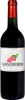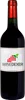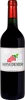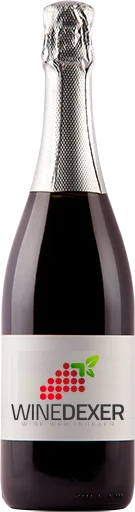
Winery Il PozzoBonarda dell'Oltrepo Pavese Frizzante
 Sparkling wine



This wine generally goes well with
Details and technical informations about Winery Il Pozzo's Bonarda dell'Oltrepo Pavese Frizzante.
Discover the grape variety: Isabelle
It was found in a garden in South Carolina in the United States and given to Isabella Gibbs. It can still be found in Brazil, India, Uruguay, Madagascar, Colombia, Switzerland, Italy, etc. In France, it is one of the six hybrids prohibited since 1935 (included in the European regulations): the Clinton, the Herbemont, the Isabelle, the Jacquez, the Noah and the Othello.
Last vintages of this wine
The best vintages of Bonarda dell'Oltrepo Pavese Frizzante from Winery Il Pozzo are 2013, 0, 2014
Informations about the Winery Il Pozzo
The Winery Il Pozzo is one of of the world's greatest estates. It offers 8 wines for sale in the of Bonarda dell'Oltrepo Pavese to come and discover on site or to buy online.

The wine region of Bonarda dell'Oltrepo Pavese
The wine region of Bonarda dell'Oltrepo Pavese is located in the region of Oltrepò Pavese of Lombardie of Italy. Wineries and vineyards like the Domaine Fattoria Cabanon or the Domaine Castello di Luzzano produce mainly wines red and sparkling. The most planted grape varieties in the region of Bonarda dell'Oltrepo Pavese are Cardinal, they are then used in wines in blends or as a single variety. On the nose of Bonarda dell'Oltrepo Pavese often reveals types of flavors of black fruit, red fruit or non oak and sometimes also flavors of earth, oak or spices.
The wine region of Lombardia
Lombardy is one of Italy's largest and most populous regions, located in the north-central Part of the country. It's home to a handful of popular and well-known wine styles, including the Bright, cherry-scented Valtellina and the high-quality Sparkling wines Franciacorta and Oltrepo Pavese Metodo Classico. Lombardy is Italy's industrial powerhouse, with the country's second largest city (Milan) as its regional capital. Despite this, the region has vast tracts of unspoiled countryside, home to many small wineries that produce a significant portion of the region's annual wine production of 1.
The word of the wine: Maceration
Prolonged contact and exchange between the juice and the grape solids, especially the skin. Not to be confused with the time of fermentation, which follows maceration. The juice becomes loaded with colouring matter and tannins, and acquires aromas. For a rosé, the maceration is short so that the colour does not "rise" too much. For white wines too, a "pellicular maceration" can be practised, which allows the wine to acquire more fat.