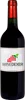
Winery Il GaggioBarbera
 Red wine


In the mouth this red wine is a powerful with a nice freshness.
This wine generally goes well with pork, poultry or veal.

Taste structure of the Barbera from the Winery Il Gaggio
Light | Bold | |
Smooth | Tannic | |
Dry | Sweet | |
Soft | Acidic |
In the mouth the Barbera of Winery Il Gaggio in the region of Piedmont is a powerful with a nice freshness.
Food and wine pairings with Barbera
Pairings that work perfectly with Barbera



Original food and wine pairings with Barbera


The Barbera of Winery Il Gaggio matches generally quite well with dishes of pasta, veal or pork such as recipes of ham lasagness, pork cheeks with cider and honey or old-fashioned pork roll.
Details and technical informations about Winery Il Gaggio's Barbera.
Discover the grape variety: Verdeca
Lively, refreshing whites with a pale robe, lean palate and fresh acidity. Delicate aromas of citrus (lemon, grapefruit), green apple, white flowers, fresh almond and saline mineral notes. Light finish, best drunk young. Star of Locorotondo DOC and Martina Franca DOC in the Itria Valley at the heart of Puglia; long used for vermouths. Native Apulian variety, identical to the Greek Lagorthi according to recent DNA analysis.
Last vintages of this wine

The best vintages of Barbera from Winery Il Gaggio are 2018, 2017, 2016, 0 and 2019.
Informations about the Winery Il Gaggio
The Winery Il Gaggio is one of of the world's greatest estates. It offers 22 wines for sale in the of Piedmont to come and discover on site or to buy online.

The wine region of Piedmont
Kingdom of Nebbiolo: Barolo and Barbaresco DOCG, long-ageing reds with firm tannins and lively acidity, complex aromas of withered rose, sour cherry, tar, truffle and undergrowth. More accessible, tangy Barbera on red fruit, supple, crisp Dolcetto. Sweet, floral sparkling Moscato d'Asti, mineral, lemony Gavi (Cortese) white, round, almondy Arneis from Roero. 50,000 ha across the Langhe, Roero and Monferrato, UNESCO.
The word of the wine: Shipping (liquor)
In champagne and wines made according to the traditional method, wine is added before corking to fill the void in the bottle created by disgorging. This added wine is often sweetened by sugar incorporated in variable proportions according to the style of wine sought (see dosage). Syn.: liqueur de dosage.