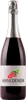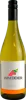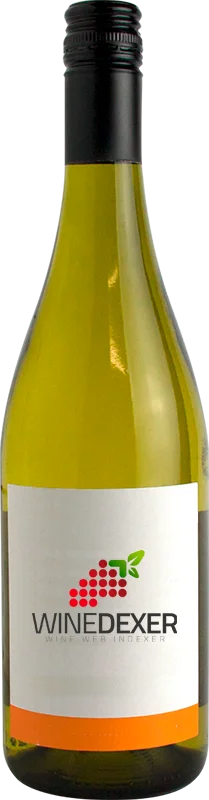
Winery Hospices StrasbourgAlsace Grand Cru 'Kaefferkopf'
 White wine


This wine generally goes well with

Details and technical informations about Winery Hospices Strasbourg's Alsace Grand Cru 'Kaefferkopf'.
Discover the grape variety: Aglianico
Powerful, tannic reds with deep colour and tight structure, with aromas of black cherry, blackberry, leather, tobacco, coffee and balsamic-volcanic mineral notes. High acidity and very fine ageing potential, often compared to nebbiolo. Star of Taurasi DOCG in Campania and Aglianico del Vulture DOCG in Basilicata (vines planted on volcanic soils). Late-ripening southern Italian variety of probable ancient Greek origin.
Last vintages of this wine

The best vintages of Alsace Grand Cru 'Kaefferkopf' from Winery Hospices Strasbourg are 2014
Informations about the Winery Hospices Strasbourg
The Winery Hospices Strasbourg is one of of the world's great estates. It offers 43 wines for sale in the of Alsace Grand Cru 'Kaefferkopf' to come and discover on site or to buy online.

The wine region of Alsace Grand Cru 'Kaefferkopf'
Alsatian Grand Cru of Ammerschwihr (unique: blending permitted, like Altenberg-de-Bergheim): Gewurztraminer reigns (55% production) alongside Riesling (30%) and Pinot Gris (9%) — signature profile combining elegance and aromatic power, aromas of exotic fruits, soft spices, rose and minerality. Specific blend: 60-80% Gewurztraminer, 10-40% Riesling, ≤30% Pinot Gris, ≤10% Muscat. A true terroir wine.
The wine region of Alsace
Capital of great French aromatic whites, most often dry and single-varietal. Straight, mineral Riesling (lemon, gunflint), opulent, exuberant Gewurztraminer (lychee, rose, spices), round, smoky Pinot Gris, floral, crisp Muscat, supple Pinot Blanc. Fine, fruity Crémants d'Alsace, exceptional sweet Vendanges Tardives and Sélection de Grains Nobles. 15,500 ha at the foot of the Vosges on varied soils, 51 Grands Crus since 1975.
The word of the wine: Oenology
The science of the oenologist, which is essentially concerned with the elaboration and maturation of wines.