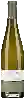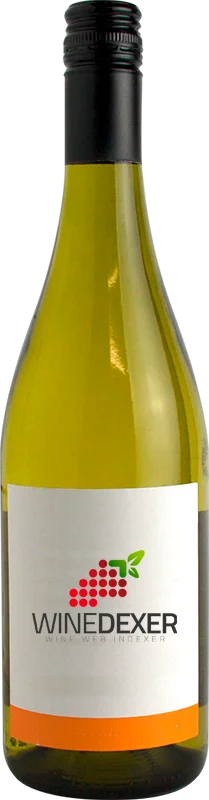
Winery HerberSauvignon Blanc Spätlese
 White wine
In the mouth this white wine is a with a nice freshness.
This wine generally goes well with vegetarian, shellfish or goat cheese.
Taste structure of the Sauvignon Blanc Spätlese from the Winery Herber
Light | Bold | |
Dry | Sweet | |
Soft | Acidic |
In the mouth the Sauvignon Blanc Spätlese of Winery Herber in the region of Mosel is a with a nice freshness.
Food and wine pairings with Sauvignon Blanc Spätlese
Pairings that work perfectly with Sauvignon Blanc Spätlese



Original food and wine pairings with Sauvignon Blanc Spätlese
The Sauvignon Blanc Spätlese of Winery Herber matches generally quite well with dishes of shellfish, vegetarian or goat cheese such as recipes of fish and seafood gratin, mushroom, bacon and gruyere quiche or croque-monsieur with goat cheese.
Details and technical informations about Winery Herber's Sauvignon Blanc Spätlese.
Discover the grape variety: Montepulciano
A very old grape variety, most likely originating in Italy, now cultivated mainly in the central and central-eastern parts of this country, registered in France in the Official Catalogue of wine grape varieties, list A1. Montepulciano has long been confused with sangiovese or nielluccio, an A.D.N. analysis has shown that it is different.
Informations about the Winery Herber
The Winery Herber is one of of the world's greatest estates. It offers 21 wines for sale in the of Mosel to come and discover on site or to buy online.

The wine region of Mosel
Mosel is the most famous of Germany's 13 official wine regions, and also the third largest in terms of production. As with many German regions, it is most aasociated with a range of wine styles made from the Riesling grape variety, but Müller-Thurgau is also widely planted. The best Mosel Riesling wines are some of the finest whites in the world. Light and low in Alcohol, they can be intensely fragrant with beguiling Floral">floral and Mineral notes, and a wonderful Balance of sweetness and Acidity.
The word of the wine: Ugni blanc
White grape variety of Italian origin, and the main white variety grown in France. Its large bunches give fine, light and lively wines, suitable for distillation: today it is the main variety for making cognac and armagnac. Ugni blanc, which is a little richer in alcohol when grown in Mediterranean regions, is used in the blending of the Provence and Corsica appellations, often in association with other grape varieties that bring aromas and structure, such as clairette, grenache blanc or sauvignon. Ugni blanc is also used, on a secondary basis, in the production of certain white wines in Gironde (AOC Bordeaux, Entre-deux-Mers, etc.).