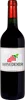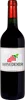
Winery Harmans RoadReserve Barrel Aged Cabernet Sauvignon
 wine
wine
This wine generally goes well with
The Reserve Barrel Aged Cabernet Sauvignon of the Winery Harmans Road is in the top 0 of wines of Margaret River.
Details and technical informations about Winery Harmans Road's Reserve Barrel Aged Cabernet Sauvignon.
Discover the grape variety: Muscat rge de Madère
A very old variety of table grape that is now almost extinct. It can still be found in Italy, Portugal, Romania, Moldavia, ... in France, it can only be found among amateur gardeners and/or collectors. It is given as originating from Portugal, others from Romania. D.N.A. analyses carried out in 2007 allow us to confirm that it is indeed a natural intraspecific cross between the muscat à petits grains blancs and the sciaccarello or mammolo nero.
Informations about the Winery Harmans Road
The Winery Harmans Road is one of of the world's greatest estates. It offers 11 wines for sale in the of Margaret River to come and discover on site or to buy online.

The wine region of Margaret River
The wine region of Margaret River is located in the region of South West Australia of Australie de l'Ouest of Australia. We currently count 442 estates and châteaux in the of Margaret River, producing 2302 different wines in conventional, organic and biodynamic agriculture. The wines of Margaret River go well with generally quite well with dishes .
The wine region of Australie de l'Ouest
Western Australia is the largest of Australia's eight administrative areas and territories. In 2020, it accounted for only 2% of the nation's wine production, but has already produced up to 20% of the country's fine wines. Covering the entire western third of the vast island-continent, "WA" (as it is commonly known) stretches 1,600 kilometres (1,000 miles) from east to west. This makes it the second largest administrative subdivision of any country in the world, larger than Alaska and Texas combined.
The word of the wine: Tartar (deposit)
White, chalky deposits that occur as a result of precipitation inside bottles and are often considered by consumers as a defect. They are in fact tartaric salts formed by tartaric acid, potassium and calcium naturally present in the wine. This deposit does not alter the quality of the wine and can be eliminated by a simple decanting.