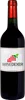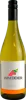
Winery HappsTintanello
 Red wine


This wine generally goes well with

Details and technical informations about Winery Happs's Tintanello.
Discover the grape variety: Domina
Colourful and structured reds with a deep purple colour, firm tannins and a full palate, offering signature aromas of black cherry, plum, liquorice and spicy notes. Also used to add body to blends. Grown in Franconia and the German Palatinate for characterful dry reds. German black variety obtained in 1927 at Geilweilerhof (Portugieser × Pinot Noir), early-ripening and productive.
Last vintages of this wine
The best vintages of Tintanello from Winery Happs are 0
Informations about the Winery Happs
The Winery Happs is one of of the world's great estates. It offers 54 wines for sale in the of Margaret River to come and discover on site or to buy online.

The wine region of Margaret River
Australia's south-western tip between Cape Naturaliste and Leeuwin: signature Cabernet Sauvignon as red king (~33%, the "Australian Bordeaux") — structured and elegant with notes of blackcurrant, blackberry, cedar, mint and a peppery touch, firm tannins. Racy mineral Chardonnay (citrus, white peach, hazelnut butter, like Burgundy). Lively Sauvignon-Sémillon in signature blend. Mediterranean climate tempered by two oceans, red laterites and limestone.
The wine region of Australie de l'Ouest
Australian premium on Margaret River. Signature Bordeaux Cabernet-Merlot blends in red: deep and refined with notes of ripe blackcurrant, eucalyptus, cedar and graphite, firm tannins and great ageing, often compared to Médoc. Chardonnay rated Australia's best: taut, saline and mineral (lemon, hazelnut, brioche). Lively Sauvignon-Sémillon (citrus, cut grass).
The word of the wine: Aggressive
Said of a wine with excessive, biting and unpleasant acidity.