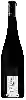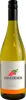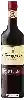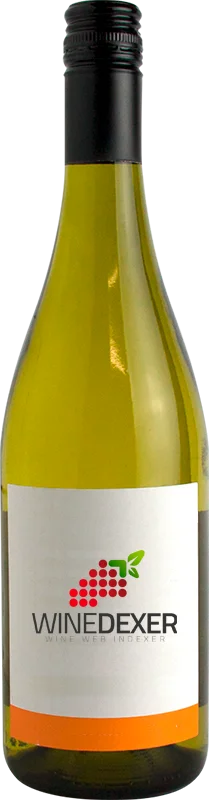
Winery GussekRiesling Trocken
 White wine


In the mouth this white wine is a with a nice freshness.
This wine generally goes well with pork, poultry or shellfish.

Taste structure of the Riesling Trocken from the Winery Gussek
Light | Bold | |
Dry | Sweet | |
Soft | Acidic |
In the mouth the Riesling Trocken of Winery Gussek in the region of Saale-Unstrut is a with a nice freshness.
Food and wine pairings with Riesling Trocken
Pairings that work perfectly with Riesling Trocken



Original food and wine pairings with Riesling Trocken


The Riesling Trocken of Winery Gussek matches generally quite well with dishes of pork, shellfish or spicy food such as recipes of alsatian sauerkraut, yellow risotto with mussels or chicken tagine with olives and potatoes.
Details and technical informations about Winery Gussek's Riesling Trocken.
Discover the grape variety: Riesling
Crystalline, taut whites with vibrant acidity and aromas of citrus, green apple, white flowers, vineyard peach and mineral/petrol notes with age. Made as dry (Trocken, Alsace), off-dry (Kabinett, Spätlese) and sweet (Auslese, Beerenauslese, Trockenbeerenauslese, late harvest). Star of the Moselle, Rheingau, Alsace AOC and Wachau. Also exported to Clare Valley and Finger Lakes.
Last vintages of this wine
The best vintages of Riesling Trocken from Winery Gussek are 2017, 0
Informations about the Winery Gussek
The Winery Gussek is one of of the world's great estates. It offers 47 wines for sale in the of Saale-Unstrut to come and discover on site or to buy online.

The wine region of Saale-Unstrut
Germany's northernmost region (Saxony-Anhalt), ~650 ha. Nordic whites that are dry, lively and mineral with signature notes of green apple, citrus, white flowers, fresh herbs and a crisp finish — a direct, thirst-quenching style. Dominant Muller-Thurgau (~22%) light and floral, Weissburgunder (Pinot Blanc) round and precise, herbaceous Silvaner and taut Riesling. Early grapes suited to the harsh continental climate.
The word of the wine: VDQS
Delimited wine of superior quality. A level of appellation (today, barely 1% of French production) which constitutes the ultimate step before the accession to the AOC.