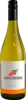
Grande Caves d'AlbretChateau Aubepin Sauternes
 Sweet wine
This wine generally goes well with fruity desserts and blue cheese.

Food and wine pairings with Chateau Aubepin Sauternes
Pairings that work perfectly with Chateau Aubepin Sauternes

Original food and wine pairings with Chateau Aubepin Sauternes
The Chateau Aubepin Sauternes of Grande Caves d'Albret matches generally quite well with dishes of fruity desserts or blue cheese such as recipes of express cherry clafoutis or juliette's pizza.
Details and technical informations about Grande Caves d'Albret's Chateau Aubepin Sauternes.
Discover the grape variety: Doçal
Simple, fresh whites best drunk young, with a pale golden robe, a light palate with moderate acidity, and discreet aromas of citrus, white flowers and neutral notes. A rare heritage profile. Practically disappeared from commercial cultivation, preserved in a few heritage plots and studied by Portuguese ampelography centres. Rare Portuguese white grape grown in the north of the country, in Trás-os-Montes.
Informations about the Grande Caves d'Albret
The Grande Caves d'Albret is one of of the world's greatest estates. It offers 29 wines for sale in the of Sauternes to come and discover on site or to buy online.

The wine region of Sauternes
Iconic Bordeaux AOC for noble sweet wines, left bank of the Garonne. Golden whites with signature notes of honey, candied apricot, exotic fruit, orange peel, saffron and a finish tightened by chiselled acidity, opulent yet nervy palate — a great age-worthy wine of emotion. Botrytised Semillon dominates (Ciron 'noble rot') concentrating sugars, Sauvignon Blanc adds vivacity, Muscadelle perfume. ~1,416 ha across 5 villages.
The wine region of Bordeaux
World-renowned age-worthy reds, led by round Merlot (plum, black fruit) or firm Cabernet Sauvignon (blackcurrant, cedar, graphite), blended with Cabernet Franc and Petit Verdot for tannic structure. Structured Médoc and Graves, velvety Saint-Émilion and Pomerol. Also crisp dry whites (Sauvignon/Sémillon) and opulent sweet Sauternes with honey and candied fruit. A 110,000 ha Gironde vineyard, 65 appellations, cradle of the 1855 classified growths.
The word of the wine: Second fermentation
In the making of champagne, fermentation of the base wine to which is added the liqueur de tirage and which takes place in the bottle. This second fermentation produces the carbon dioxide, and therefore the bubbles that make up the effervescence of the wine.