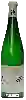
Winery Gehlen-CorneliusGrauburgunder
 White wine



In the mouth this white wine is a .
This wine generally goes well with pork, cured meat or mushrooms.

Taste structure of the Grauburgunder from the Winery Gehlen-Cornelius
Light | Bold | |
Dry | Sweet | |
Soft | Acidic |
In the mouth the Grauburgunder of Winery Gehlen-Cornelius in the region of Mosel is a .
Food and wine pairings with Grauburgunder
Pairings that work perfectly with Grauburgunder


Original food and wine pairings with Grauburgunder

The Grauburgunder of Winery Gehlen-Cornelius matches generally quite well with dishes of pork, spicy food or mushrooms such as recipes of chicken in red wine, pastilla with chicken (moroccan pie with brick sheets) or rabbit with cider and mushrooms.
Details and technical informations about Winery Gehlen-Cornelius's Grauburgunder.
Discover the grape variety: Maturana Tinta
Structured, coloured reds with a deep purple robe, firm tannins and a dense palate with preserved acidity. Signature aromas of black fruits (blackberry, blackcurrant), plum, spices, pepper and balsamic notes from the Rioja. Fine ageing potential. Reintroduced into the Rioja DOCa appellation in 2007, it represents a qualitative diversification of Riojan reds alongside Tempranillo. Native Spanish black grape of La Rioja, recently rediscovered after near extinction.
Last vintages of this wine
The best vintages of Grauburgunder from Winery Gehlen-Cornelius are 0
Informations about the Winery Gehlen-Cornelius
The Winery Gehlen-Cornelius is one of of the world's greatest estates. It offers 20 wines for sale in the of Mosel to come and discover on site or to buy online.

The wine region of Mosel
Kingdom of lively, crystalline Riesling: citrus, green apple, gunflint, tangy tension and signature slate minerality. From light, fruity Kabinett to off-dry Spätlese, up to sweet Auslese and Trockenbeerenauslese of rare finesse. Some supple Müller-Thurgau and lively Elbling. Steeply sloped vineyards (up to 65% at the Bremmer Calmont) on blue and grey slate, 5,400 ha of Riesling (61.
The word of the wine: Yeast
Micro-organisms at the base of all fermentative processes. A wide variety of yeasts live and thrive naturally in the vineyard, provided that treatments do not destroy them. Unfortunately, their replacement by laboratory-selected yeasts is often the order of the day and contributes to the standardization of the wine. Yeasts are indeed involved in the development of certain aromas.