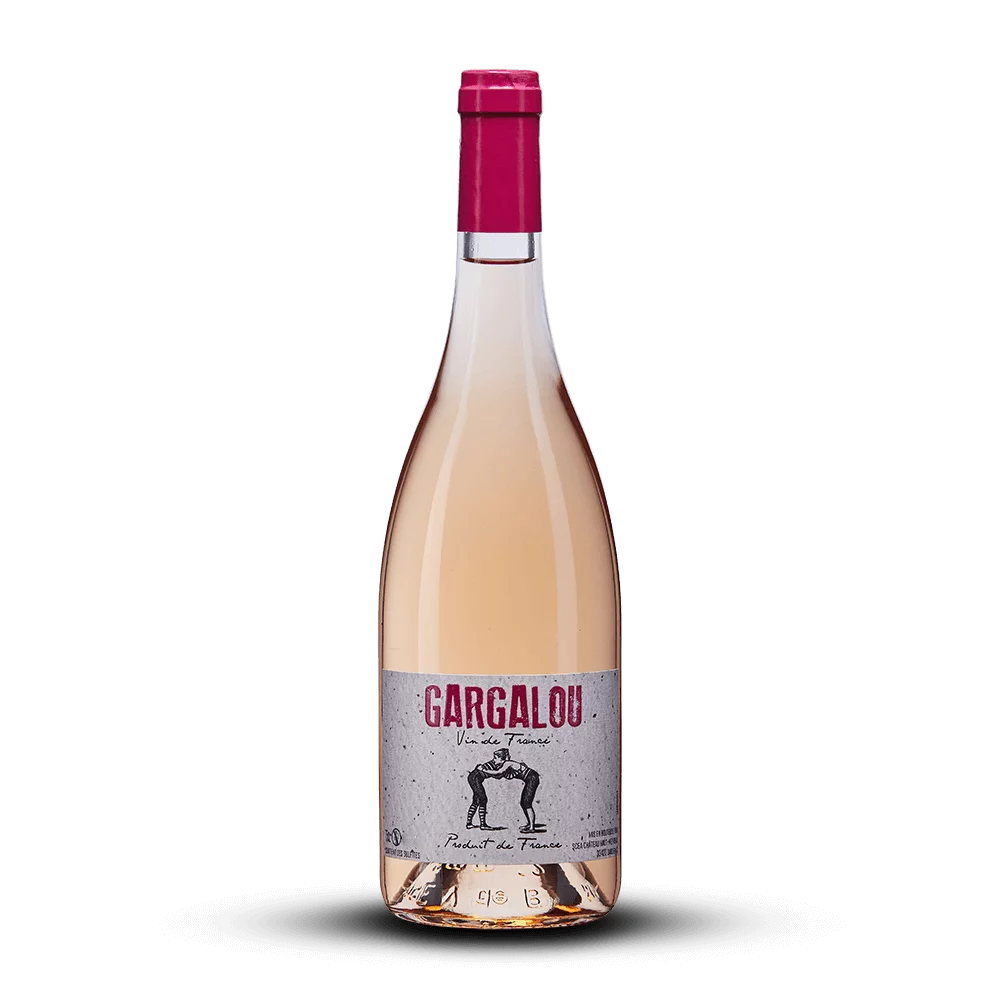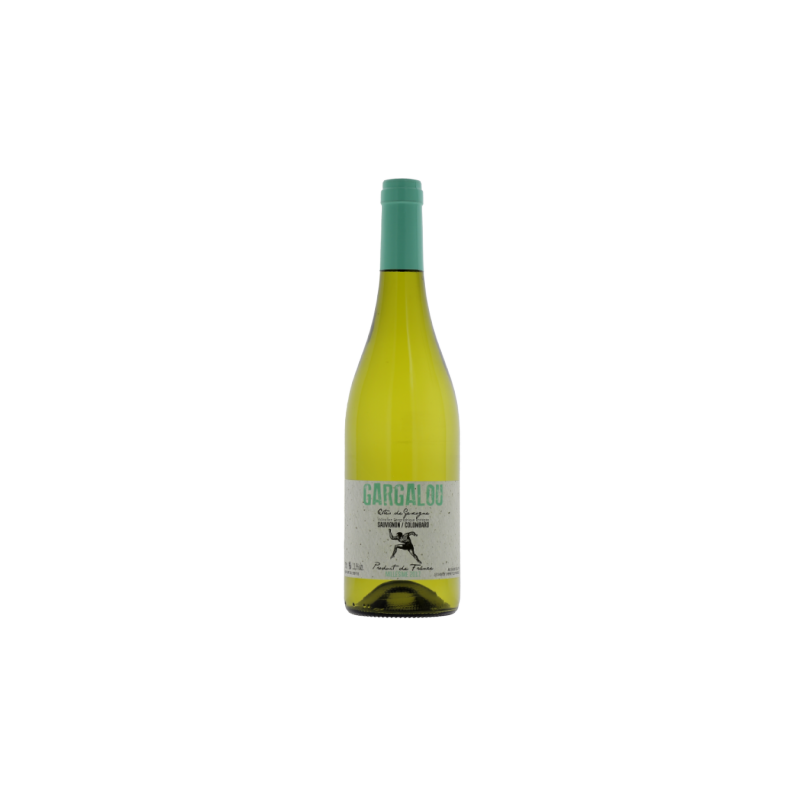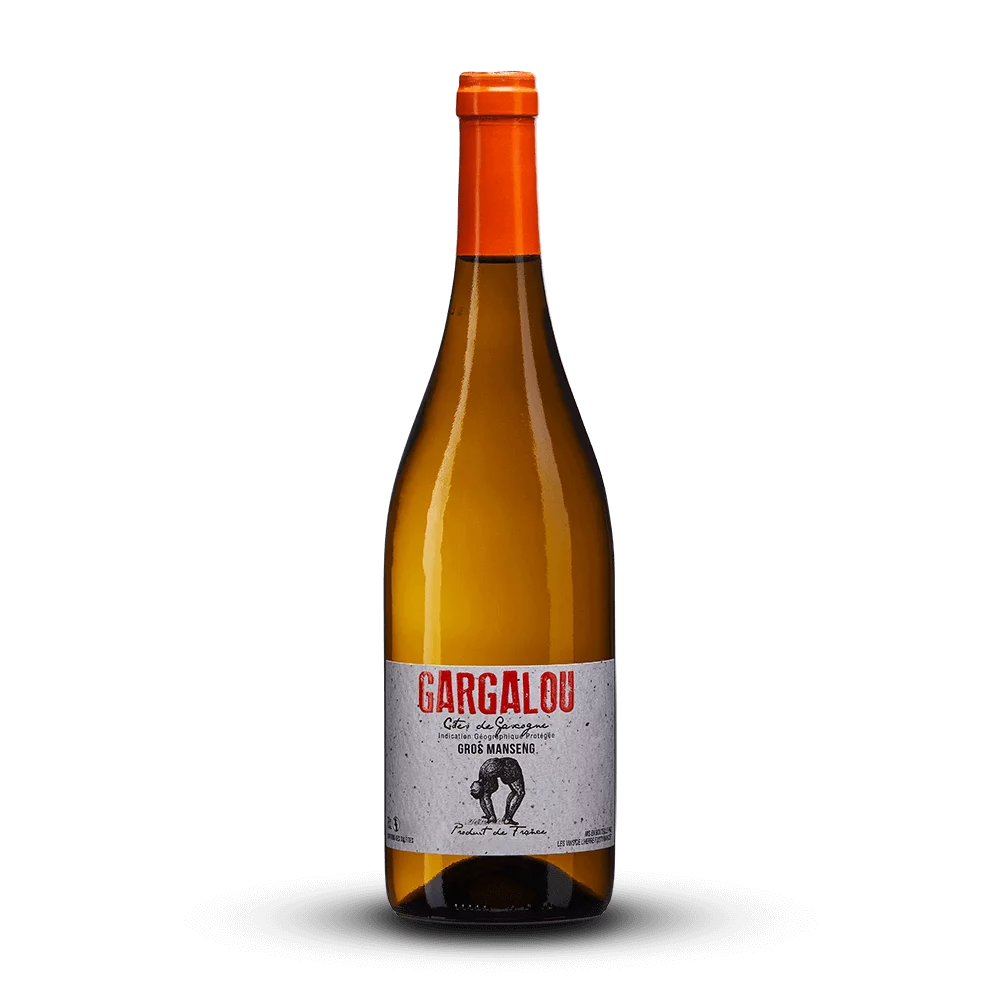
Winery GargalouGroš Manseng
 Sweet wine


This wine generally goes well with
The Groš Manseng of the Winery Gargalou is in the top 10 of wines of Côtes de Gascogne.

Wine flavors and olphactive analysis
Details and technical informations about Winery Gargalou's Groš Manseng.
Discover the grape variety: Gros Manseng
Structured, aromatic whites with lively acidity and an ample mouth, featuring intense aromas of exotic fruits (pineapple, mango, passion fruit), ripe citrus, yellow peach, white flowers, honey and sweet spices. Made as nervy modern dry wines (Jurançon sec AOC, IGP Côtes de Gascogne) and sumptuous passerillage sweet wines (Jurançon AOC, Pacherenc du Vic-Bilh AOC). Late-ripening native grape of Béarn, the productive sibling of Petit Manseng.
Last vintages of this wine

The best vintages of Groš Manseng from Winery Gargalou are 2018, 2017, 2016, 2015 and 2014.
Informations about the Winery Gargalou
The Winery Gargalou is one of of the world's greatest estates. It offers 5 wines for sale in the of Côtes de Gascogne to come and discover on site or to buy online.

The wine region of Côtes de Gascogne
Reference for accessible dry whites of the South-West: signature Colombard as white king — lively and aromatic with notes of lemon, grapefruit, mango, passion fruit, white flowers and a touch of green citrus, brisk acidity and moderate alcohol (9-11%) — a gourmet aperitif. Straight Ugni Blanc in the blend, more floral Sauvignon and rounder Gros Manseng as complements. A few honeyed sweet wines. Vast Gers IGP (Armagnac), oceanic climate, clay-limestone soils.
The wine region of Comté Tolosan
IGP covering all of southwest France across 12 departments, a broad and accessible palette. On the Garonne right bank, supple reds dominate: signature Merlot with signature notes of plum, ripe cherry, cocoa and a herbaceous touch, round tannins. Firm Cabernet, spicy Syrah, tannic local Tannat. Left bank for whites: vivid Colombard and Gros Manseng (citrus, grapefruit, exotic fruits), aromatic Sauvignon.
The word of the wine: Leaflet
Small barrel with a capacity of 112 to 136 litres depending on the region.