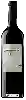
Bodegas Celler Francisco Castillo - Clos DominicEspecial Ingrid Rosat
 wine
wine
This wine generally goes well with
The Especial Ingrid Rosat of the Bodegas Celler Francisco Castillo - Clos Dominic is in the top 0 of wines of Priorat.

Details and technical informations about Bodegas Celler Francisco Castillo - Clos Dominic's Especial Ingrid Rosat.
Discover the grape variety: Rouge du Pays
Structured and elegant reds with a deep ruby robe, firm yet melted tannins and a dense palate with fine acidity, showing signature aromas of red fruits (morello cherry, raspberry), spices, pepper and Alpine mineral notes. Fine Valaisan ageing potential. Star of the great Valaisan reds on the sun-drenched slopes of the Swiss Rhône, a typical expression of Alpine terroir. Valaisan synonym for Cornalin, native black grape from Valais, identical to Cornalin from the Aosta Valley.
Informations about the Bodegas Celler Francisco Castillo - Clos Dominic
The Bodegas Celler Francisco Castillo - Clos Dominic is one of of the world's greatest estates. It offers 10 wines for sale in the of Priorat to come and discover on site or to buy online.

The wine region of Priorat
Mythical Catalan terroir, DOCa (Spain's summit alongside Rioja). Powerful, concentrated reds with signature notes of candied black fruits (blackberry, black cherry), graphite, schist, garrigue, cocoa and liquorice, firm tannins and a mineral palate strung by the "llicorella" (black schist and quartz forcing roots down to 20 m). Old vines of Garnacha (roundness) and Cariñena (Samsó, structure). Exceptional ageing.
The wine region of Catalogne
Cradle of Cava (~95% of Spanish output, traditional method): Macabeo, Xarel-lo, Parellada trilogy, fine fruity bubble. Quality peak in Priorat DOCa: dense, mineral reds on llicorella (schist), old-vine Garnacha and Cariñena with black fruit, garrigue notes, firm tannins. Also Penedès, fleshy Montsant, sunny Empordà, Costers del Segre. Mediterranean.
The word of the wine: Stirring
In the traditional method, the operation aims to bring the deposits against the cork by the movement of the bottles placed on desks. The stirring can be manual or mechanical (using gyropalettes).