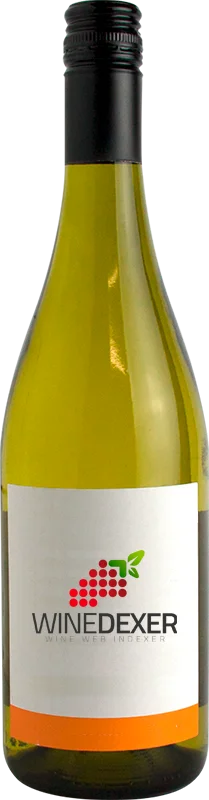
Winery PinoBlanc
 White wine
This wine generally goes well with

Details and technical informations about Winery Pino's Blanc.
Discover the grape variety: Morava
Aromatic and fresh whites for early drinking, pale golden colour, light mouth with preserved acidity, with signature aromas of white flowers, white-fleshed fruits (pear, apple) and light muscat notes. Productive and disease-resistant. Found mainly in the Czech Republic (Moravia) and Slovakia. Czech and Moravian white cross variety.
Informations about the Winery Pino
The Winery Pino is one of of the world's greatest estates. It offers 2 wines for sale in the of Cognac to come and discover on site or to buy online.

The wine region of Cognac
Charente vineyard dedicated to distillation for Cognac eau-de-vie (AOC 1936). Six signature ranked crus: Grande Champagne the most prestigious (elegance and length), fine Petite Champagne, round and floral Borderies, fruity Fins Bois, rustic Bons Bois, ordinary Bois. Spirits with grape, white flowers, dried fruits, vanilla, leather, spice and noble rancio notes — from young VS to long-aged XO. Ugni Blanc king (98%), Folle Blanche, Colombard.
The word of the wine: Smoked
Qualifier of smells close to those of smoked food, characteristic, among other things, of the Sauvignon grape variety; hence the name of smoked white given to this variety.