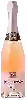
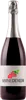
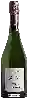
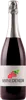
Winery Léonce BocquetCouvent des Visitandines Crémant de Bourgogne Rosé
 Sparkling wine


In the mouth this sparkling wine is a powerful with a nice vivacity and a fine and pleasant bubble.
This wine generally goes well with poultry, appetizers and snacks or lean fish.

Taste structure of the Couvent des Visitandines Crémant de Bourgogne Rosé from the Winery Léonce Bocquet
Light | Bold | |
Soft | Acidic | |
Gentle | Fizzy |
In the mouth the Couvent des Visitandines Crémant de Bourgogne Rosé of Winery Léonce Bocquet in the region of Burgundy is a powerful with a nice vivacity and a fine and pleasant bubble.
Food and wine pairings with Couvent des Visitandines Crémant de Bourgogne Rosé
Pairings that work perfectly with Couvent des Visitandines Crémant de Bourgogne Rosé



Original food and wine pairings with Couvent des Visitandines Crémant de Bourgogne Rosé


The Couvent des Visitandines Crémant de Bourgogne Rosé of Winery Léonce Bocquet matches generally quite well with dishes of shellfish, poultry or appetizers and snacks such as recipes of shrimp risotto with curry, english breakfast or tuna wraps.
Details and technical informations about Winery Léonce Bocquet's Couvent des Visitandines Crémant de Bourgogne Rosé.
Discover the grape variety: Couderc 13
Simple, fresh dry whites with a pale golden colour, supple mouthfeel and moderate acidity, showing undemonstrative aromas of citrus and white flowers. Productive. Now marginal, surviving in a few French varietal collections as a witness to post-phylloxera hybridisation history. French white hybrid obtained by Georges Couderc in the late 19th century, in the lineage of phylloxera-resistant crossings.
Informations about the Winery Léonce Bocquet
The Winery Léonce Bocquet is one of of the world's greatest estates. It offers 90 wines for sale in the of Crémant de Bourgogne to come and discover on site or to buy online.

The wine region of Crémant de Bourgogne
Traditional-method sparkling, a direct alternative to Champagne. Fine, persistent bubbles, fresh nose of green apple, lemon, white flowers, brioche and almond, taut and elegant palate (9 months minimum on lees, often 12-24). Based on Chardonnay (freshness and finesse) and Pinot Noir (roundness and red fruits), sometimes Aligoté, Gamay and Melon. Blanc de Blancs, Blanc de Noirs and fleshy rosé versions (strawberry, raspberry).
The wine region of Burgundy
Absolute reference for great terroir wines: opulent, mineral Chardonnay in whites (chiselled Chablis, buttery Meursault, majestic Montrachet), fine and silky Pinot Noir in reds (full-bodied Gevrey, structured Pommard, delicate Volnay). Exceptional age-worthy wines with complex notes - red fruits, undergrowth, butter, hazelnut. Some lively Aligoté and light Gamay (Mâconnais). 29,500 ha, 84 tiered AOCs (Régionale, Village, 1er Cru, Grand Cru), 1,247 UNESCO Climats.
The word of the wine: Malolactic fermentation
Called second fermentation or malo for short. It is the degradation (under the effect of bacteria) of the malic acid naturally present in the wine into milder, less aggressive lactic acid. Some producers or wineries refuse this operation by "blocking the malo" (by cold and adding SO2) to keep a maximum of acidity which carries the aromas and accentuates the sensation of freshness.