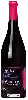
Domaine DescroixMorgon
 Red wine
This wine generally goes well with pork, poultry or veal.

Food and wine pairings with Morgon
Pairings that work perfectly with Morgon



Original food and wine pairings with Morgon

The Morgon of Domaine Descroix matches generally quite well with dishes of pasta, veal or pork such as recipes of pasta carbonara almost like the real thing, milanese cutlets like in italy or stuffed artichoke.
Details and technical informations about Domaine Descroix's Morgon.
Discover the grape variety: Gamay noir
Light, juicy reds, low in tannins with crunchy freshness, showing aromas of wild strawberry, raspberry, banana (from carbonic maceration) and peony. Easy-drinking style of Beaujolais Nouveau, more structured and mineral on the granites of the ten crus (Morgon, Moulin-à-Vent, Fleurie, Brouilly). Also in Touraine, Auvergne and Swiss Romande. A Burgundian variety, a cross of Pinot Noir × Gouais Blanc.
Informations about the Domaine Descroix
The Domaine Descroix is one of of the world's greatest estates. It offers 14 wines for sale in the of Morgon to come and discover on site or to buy online.

The wine region of Morgon
The most powerful and structured of the ten Beaujolais Crus. Dense, deep reds with signature notes of ripe black cherry, kirsch, stewed plum, faded flowers and spice, firm tannins and notable ageing (5-10 years) — the antithesis of primeur Beaujolais; they are said to "morgonner", evolving towards Burgundian Pinot Noir. Unique decomposed schist soils ("rotten rock") of the Côte du Py. ~1,100 ha, six climats.
The wine region of Beaujolais
Kingdom of Gamay (98% of the vineyard): fruity, accessible reds with signature notes of cherry, raspberry, banana (carbonic maceration), violet and sweet spices, supple tannins and juicy acidity. From festive Beaujolais Nouveau (3rd Thursday of November) to the 10 more structured, age-worthy Crus: deep earthy Morgon, sturdy Moulin-à-Vent, floral Fleurie, crunchy Brouilly. Some lively Chardonnay. 12,000 ha south of Burgundy, granitic soils.
The word of the wine: Malolactic fermentation
Called second fermentation or malo for short. It is the degradation (under the effect of bacteria) of the malic acid naturally present in the wine into milder, less aggressive lactic acid. Some producers or wineries refuse this operation by "blocking the malo" (by cold and adding SO2) to keep a maximum of acidity which carries the aromas and accentuates the sensation of freshness.