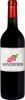
Winery FonjallazOeil Noir Grand Cru
 Red wine



This wine is a blend of 3 varietals which are the Galotta, the Gamaret and the Garanoir.
This wine generally goes well with

Details and technical informations about Winery Fonjallaz's Oeil Noir Grand Cru.
Discover the grape variety: Galotta
Intensely coloured and structured reds with a deep purple robe, firm tannins and a dense mouthfeel, with aromas of black fruits (blackberry, blackcurrant, plum), cherry, spices and floral notes. A profile between Italian Ancellotta and French Gamay. Grown in Swiss Romandy (Vaud, Valais, Geneva) and Ticino for modern blends and identity cuvées. A Swiss hybrid created in 1981 at Pully by André Jaquinet (Ancellotta × Gamay), valued for its colour and resistance.
Last vintages of this wine
The best vintages of Oeil Noir Grand Cru from Winery Fonjallaz are 2017, 0, 2016
Informations about the Winery Fonjallaz
The Winery Fonjallaz is one of of the world's greatest estates. It offers 9 wines for sale in the of Lavaux to come and discover on site or to buy online.

The wine region of Lavaux
Iconic Vaud vineyard (Switzerland) on terraced slopes along Lake Geneva's north shore, UNESCO-listed in 2007. Chasselas reigns as signature white: fine and delicate with signature notes of white flowers, citrus, white apple, fresh almond and a chalky mineral touch, a taut and straight palate — Swiss soul, for aperitif or fondue. Fine Pinot Noir (cherry, undergrowth) and supple Gamay as minority reds. 8 AOCs including prestigious Dezaley and Saint-Saphorin.
The wine region of Vaud
World reference for Chasselas (~60% of the vineyard). Mineral, delicate whites with signature notes of green apple, citrus, white flowers, fresh almond and a saline touch, low acidity and a silky palate. Maximum expression in Lavaux (UNESCO 2007) on Lake Geneva terraces. Also La Côte, Chablais and the iconic Dézaley.
The word of the wine: Disgorging (champagne)
This is the evacuation of the deposit formed by the yeasts during the second fermentation in the bottle, by opening the bottle. The missing volume is completed with the liqueur de dosage - a mixture of wine and cane sugar - before the final cork is placed. For some years now, some producers have been replacing this sugar with rectified concentrated musts (concentrated grape juice) which give excellent results. A too recent dosage (less than three months) harms the gustatory harmony of the champagne.