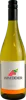
Winery FierteIndividual Vineyard Chardonnay
 wine
wine
This wine generally goes well with
The Individual Vineyard Chardonnay of the Winery Fierte is in the top 0 of wines of Hawke's Bay.
Details and technical informations about Winery Fierte's Individual Vineyard Chardonnay.
Discover the grape variety: Molinara
Its origin is not very precise, it has been cultivated for a very long time in northern Italy, ... in France it is almost unknown. It should not be confused with the Spanish variety molinera gorda.
Informations about the Winery Fierte
The Winery Fierte is one of of the world's greatest estates. It offers 4 wines for sale in the of Hawke's Bay to come and discover on site or to buy online.

The wine region of Hawke's Bay
The wine region of Hawke's Bay is located in the region of North Island of New Zealand. We currently count 274 estates and châteaux in the of Hawke's Bay, producing 1268 different wines in conventional, organic and biodynamic agriculture. The wines of Hawke's Bay go well with generally quite well with dishes .
The wine region of North Island
New-zealand/north-island/northland">Northland, as its name suggests, is New Zealand's northernmost wine-producing region, around four hours' drive northwest of the country's largest city, Auckland. Most of the Northland region's wineries are situated on the east coast, particularly around the Bay of Islands and the Karikari Pensinula, with another cluster on the west coast near Kaitaia. The region's red wines are mostly produced from Syrah, Pinotage">Pinotage and the Hybrid variety Chambourcin. Chardonnay leads the way for white wine grape varieties; Pinot Gris, Viognier and Sauvignon Blanc are among the other varieties cultivated here.
The word of the wine: Delicate
Said of a wine that is fine and subtle in the mouth.