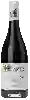
Winery Fief de MontjeuLa Rue Au Port Pommard
 Red wine
This wine generally goes well with poultry, beef or veal.

Food and wine pairings with La Rue Au Port Pommard
Pairings that work perfectly with La Rue Au Port Pommard



Original food and wine pairings with La Rue Au Port Pommard

The La Rue Au Port Pommard of Winery Fief de Montjeu matches generally quite well with dishes of beef, veal or game (deer, venison) such as recipes of oxtail confit in red wine, oriental stuffed vegetables or duck leg confit in cider.
Details and technical informations about Winery Fief de Montjeu's La Rue Au Port Pommard.
Discover the grape variety: Vernatsch
Light, fruity reds with a clear ruby robe, silky tannins and an airy, fresh palate, with signature aromas of red fruits (strawberry, cherry), soft spices, almond and alpine floral notes. A distinctively refreshing profile to drink young. Star of Alto Adige Vernatsch DOC and Lago di Caldaro DOC, the alpine signature of South Tyrol. German synonym of the Italian Schiava, native black grape of Südtirol, widely planted in Alto Adige and Trentino.
Informations about the Winery Fief de Montjeu
The Winery Fief de Montjeu is one of of the world's greatest estates. It offers 9 wines for sale in the of Pommard to come and discover on site or to buy online.

The wine region of Pommard
Sturdy bastion of the Côte de Beaune: signature Pinot Noir as exclusive king red — deep red with mauve glints, frank and powerful with notes of blackberry, blueberry, redcurrant, concentrated cherry and ripe plum, evolving into leather, pepper and chocolate with age, firm tannins and dense structure. More powerful and tannic than its neighbours (Volnay, Beaune), needing a few years' cellaring. Village AOC (1936) between Beaune and Volnay, rich clay-limestone, 28 Premiers Crus (Rugiens, Épenots).
The wine region of Burgundy
Absolute reference for great terroir wines: opulent, mineral Chardonnay in whites (chiselled Chablis, buttery Meursault, majestic Montrachet), fine and silky Pinot Noir in reds (full-bodied Gevrey, structured Pommard, delicate Volnay). Exceptional age-worthy wines with complex notes - red fruits, undergrowth, butter, hazelnut. Some lively Aligoté and light Gamay (Mâconnais). 29,500 ha, 84 tiered AOCs (Régionale, Village, 1er Cru, Grand Cru), 1,247 UNESCO Climats.
The word of the wine: Muscat blanc à petits grains
A white grape variety cultivated since antiquity on the shores of the Mediterranean, it is considered the noblest of the muscats. It is mainly used to make sweet wines, often from mutage. In France, it is the sole variety used in many natural sweet wines: muscat-de-frontignan, muscat-de-mireval, muscat-de-lunel, muscat-de-saint-jean-de-minervois, muscat-de-beaumes-de-venise, muscat-du-cap-corse. Combined with Muscat d'Alexandrie, it gives Muscat-de-Rivesaltes. It is also used to make sparkling white wines (clairette-de-die; moscato d'asti and asti spumante in Italy) and dry wines (alsace-muscat). Powerfully aromatic and complex, its wines evoke fresh grapes, roses, exotic fruits, citrus fruits and spices.