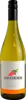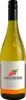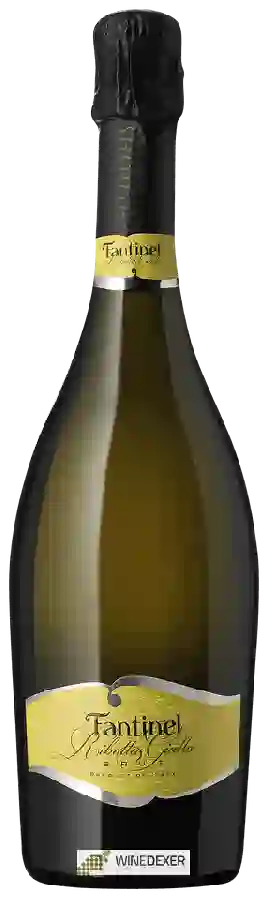
Winery FantinelRibolla Gialla Brut
 Sparkling wine



This wine is composed of 100% of the grape variety Ribolla Gialla.
This wine generally goes well with

Wine flavors and olphactive analysis



On the nose the Ribolla Gialla Brut of Winery Fantinel in the region of Friuli-Venezia Giulia often reveals types of flavors of earth, vegetal or tree fruit and sometimes also flavors of citrus fruit.
Details and technical informations about Winery Fantinel's Ribolla Gialla Brut.
Discover the grape variety: Ribolla gialla
Lively, taut whites with firm acidity and a slender mouth, featuring aromas of citrus, green apple, white flowers, fresh herbs and chalky mineral notes. Often vinified with skin maceration (orange wine), developing amber hues of dried fruits, honey, tannins and oxidative complexity. Signature of great Friulian whites (Collio DOC, Colli Orientali del Friuli DOC) and Slovenia under the name Rebula (Brda). Native Friulian grape.
Last vintages of this wine
The best vintages of Ribolla Gialla Brut from Winery Fantinel are 2012, 2015, 0, 2017 and 2013.
Informations about the Winery Fantinel
The Winery Fantinel is one of of the world's great estates. It offers 81 wines for sale in the of Friuli Grave to come and discover on site or to buy online.

The wine region of Friuli Grave
Largest DOC of Friuli (>1/3 of Friulian wine), 6,500 ha on alluvial gravel soils ("grave"). Lively, precise whites dominate. Signature Pinot Grigio with signature notes of citrus, pear, white flowers and a saline touch. Friulano with its typical green-almond flavour, ample Chardonnay, lively Sauvignon (boxwood, exotic fruits).
The wine region of Friuli-Venezia Giulia
Italian benchmark of great whites of elegance and minerality. Emblematic Friulano with notes of fresh almond, pear and white flowers, taut Ribolla Gialla, precise Pinot Grigio, lively Sauvignon and balanced Chardonnay. Rare sweet Picolit (DOCG), saline Malvasia Istriana. Rising reds: fruity spicy Refosco, more tannic Pignolo and Schioppettino.
The word of the wine: Cooperative cellar
A collective production structure to which winegrowers belong in order to pool their grapes, transform them into wine and ensure its marketing.