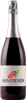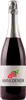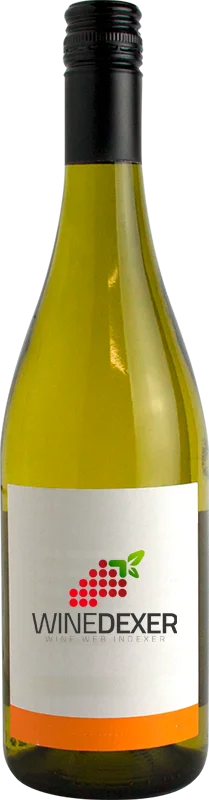
Winery Familia SilottoMoscatel Seco
 White wine


This wine generally goes well with
The Moscatel Seco of the Winery Familia Silotto is in the top 30 of wines of Serra Negra.
Details and technical informations about Winery Familia Silotto's Moscatel Seco.
Discover the grape variety: Picolit noir
A very old grape variety, which almost disappeared, cultivated for a very long time in the north-east of Italy, more precisely in the region of Friuli bordering with Aurelia and Slovenia. It can be found in Italy, but also in Spain, ... in France it is completely unknown. Note that it is not related to the white picolit.
Last vintages of this wine
The best vintages of Moscatel Seco from Winery Familia Silotto are 0
Informations about the Winery Familia Silotto
The Winery Familia Silotto is one of of the world's greatest estates. It offers 9 wines for sale in the of Serra Negra to come and discover on site or to buy online.

The wine region of Serra Negra
The wine region of Serra Negra is located in the region of Sao Paulo of Brazil. Wineries and vineyards like the Domaine Familia Carra or the Domaine Sanjo produce mainly wines red, white and sparkling. The most planted grape varieties in the region of Serra Negra are Cabernet-Sauvignon, Merlot and Tannat, they are then used in wines in blends or as a single variety. On the nose of Serra Negra often reveals types of flavors of non oak, oak or spices.
The wine region of Sao Paulo
Brazil is the largest country in South America and the fifth-largest in the world. It has a sizable wine industry, but is probably best known in global markets for spirits, and in particular Cachaça. With roughly 83,000 hectares (205,000 acres) of Vineyard">Vineyard, it ranks just behind its near-neighbors Argentina and Chile in terms of acreage under vine. Only a small proportion (about 10 percent) of these acres are planted with Vitis vinifera vines, however this large acreage does not translate into large volumes of quality wine.
The word of the wine: Sorting
Action which consists in removing the bad grains, not ripe or affected by the rot. We often use vibrating sorting tables which, by shaking, make the impurities fall to the ground. In the case of sweet wines, we speak of harvesting by successive selections, in several passages, to select the very ripe grapes each time.