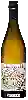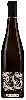
Winery FaderRosengarten Grauer Burgunder Spätlese Trocken
 White wine



In the mouth this white wine is a .
This wine generally goes well with pork, cured meat or mushrooms.

Taste structure of the Rosengarten Grauer Burgunder Spätlese Trocken from the Winery Fader
Light | Bold | |
Dry | Sweet | |
Soft | Acidic |
In the mouth the Rosengarten Grauer Burgunder Spätlese Trocken of Winery Fader in the region of Pfalz is a .
Food and wine pairings with Rosengarten Grauer Burgunder Spätlese Trocken
Pairings that work perfectly with Rosengarten Grauer Burgunder Spätlese Trocken


Original food and wine pairings with Rosengarten Grauer Burgunder Spätlese Trocken

The Rosengarten Grauer Burgunder Spätlese Trocken of Winery Fader matches generally quite well with dishes of pork, spicy food or mushrooms such as recipes of reblochon tartiflette, lamb curry indian style or roast beef in a crust.
Details and technical informations about Winery Fader's Rosengarten Grauer Burgunder Spätlese Trocken.
Discover the grape variety: Pinot gris
Rich, ample whites with a golden robe, showing aromas of pear, quince, honey, smoke, ginger and spice. Made as structured dry wines (Alsace AOC), off-dry and sumptuous late-harvest sweet (vendange tardive, sélection de grains nobles). Lighter and crisper in Italy as Pinot Grigio (Veneto, Friuli). Also in Germany (Grauburgunder), Hungary (Szürkebarát) and Oregon. A grey mutation of Pinot Noir.
Last vintages of this wine
The best vintages of Rosengarten Grauer Burgunder Spätlese Trocken from Winery Fader are 0
Informations about the Winery Fader
The Winery Fader is one of of the world's great estates. It offers 64 wines for sale in the of Pfalz to come and discover on site or to buy online.

The wine region of Pfalz
Fleshy, dry, fruity Riesling is the region's signature: yellow peach, apricot, ripe citrus, lovely mineral tension. Germany's largest red-wine area (40%), with silky Spätburgunder showing red fruit and spice, darker structured Dornfelder, supple Portugieser. Some rounded Pinot Blanc and Pinot Gris. A 23,640 ha vineyard along the Haardt, among Germany's warmest (>2,000 h of sun).
The word of the wine: VDN
Natural sweet wine. Wine obtained by mutage of the must during fermentation by adding over-finished alcohol at 96 °, produced in the vineyards of Roussillon, Languedoc, Rhone Valley and Corsica.