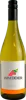
Winery Fabien CastaingLes Hauts des Olivoux Côtes de Gascogne Moelleux
 Sweet wine



This wine generally goes well with
Details and technical informations about Winery Fabien Castaing's Les Hauts des Olivoux Côtes de Gascogne Moelleux.
Discover the grape variety: Rousseli
Most certainly Provençal and more particularly, as its name indicates, from the Var department. It is in the process of disappearing because it is practically no longer multiplied in nurseries, although it is registered in the Official Catalogue of wine grape varieties, list A. It is probably a descendant of the white gouais and the black ouliven, to be continued! Rousseli is practically unknown in other wine-producing countries, in France it was used both as a table grape and as a wine grape.
Informations about the Winery Fabien Castaing
The Winery Fabien Castaing is one of of the world's greatest estates. It offers 20 wines for sale in the of Côtes de Gascogne to come and discover on site or to buy online.

The wine region of Côtes de Gascogne
The wine region of Côtes de Gascogne is located in the region of Comté Tolosan of Vin de Pays of France. Wineries and vineyards like the Domaine Sichel or the Domaine Haut-Marin produce mainly wines white, red and sweet. The most planted grape varieties in the region of Côtes de Gascogne are Colombard, Gros Manseng and Merlot, they are then used in wines in blends or as a single variety. On the nose of Côtes de Gascogne often reveals types of flavors of red fruit, tangerine or jam and sometimes also flavors of watermelon, pomegranate or lemon grass.
The wine region of Comté Tolosan
Comte Tolosan is a PGI title that covers wines produced in a large area of Southwestern France. The PGI basin encompasses 12 administrative dePartments and is home to a wide range of appellations d'origine contrôlée (AOC) such as Jurançon, Cahors and Armagnac. The IGP label provides a geographical classification for wines that are not classified for AOC level appellations due to Grape variety or winemaking style. The region is part of the Aquitaine basin - the plains that lie between the Pyrenees, the Massif Central and the Atlantic Ocean to the west.
The word of the wine: Muscat blanc à petits grains
A white grape variety cultivated since antiquity on the shores of the Mediterranean, it is considered the noblest of the muscats. It is mainly used to make sweet wines, often from mutage. In France, it is the sole variety used in many natural sweet wines: muscat-de-frontignan, muscat-de-mireval, muscat-de-lunel, muscat-de-saint-jean-de-minervois, muscat-de-beaumes-de-venise, muscat-du-cap-corse. Combined with Muscat d'Alexandrie, it gives Muscat-de-Rivesaltes. It is also used to make sparkling white wines (clairette-de-die; moscato d'asti and asti spumante in Italy) and dry wines (alsace-muscat). Powerfully aromatic and complex, its wines evoke fresh grapes, roses, exotic fruits, citrus fruits and spices.