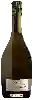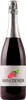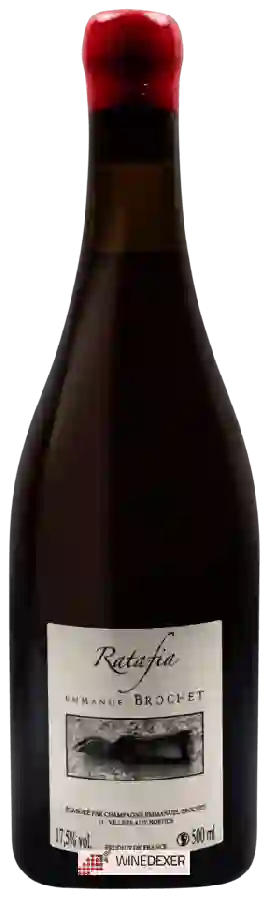
Winery Emmanuel BrochetRatafia
 Sweet wine


This wine generally goes well with

Details and technical informations about Winery Emmanuel Brochet's Ratafia.
Discover the grape variety: Perlette
Seedless table grape with long clusters and golden berries, thin skin and crisp flesh, sweet fresh taste. Early-ripening and productive. Grown in California, Mexico, Argentina and Chile for export markets, valued for its attractive appearance and excellent shelf life. White seedless American variety obtained in 1936 in California, widely distributed in supermarkets.
Informations about the Winery Emmanuel Brochet
The Winery Emmanuel Brochet is one of of the world's greatest estates. It offers 9 wines for sale in the of Champagne to come and discover on site or to buy online.

The wine region of Champagne
World benchmark sparkling wines: fine bubbles, citrusy tension, notes of brioche, toasted almond, white flowers and white-fleshed fruits after ageing on lees. Three grapes blended or solo: fleshy Pinot Noir (38%), fruity Meunier (33%), chiselled Chardonnay (28%). From straight Blanc de Blancs to vinous Blanc de Noirs, from non-vintage Brut to age-worthy Millésimé. AOC since 1927, 34,300 ha on chalk, 17 Grands Crus and 44 Premiers Crus.
The word of the wine: Runoff
Failure of the vine flower to fertilize at the time of flowering, when the weather is too cold or rainy. Under these conditions, the vine will have few or no clusters.