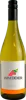
Winery Dr DahlemDeutscher Sekt Riesling Extra Dry
 wine
wine
This wine generally goes well with
The Deutscher Sekt Riesling Extra Dry of the Winery Dr Dahlem is in the top 0 of wines of Oppenheim.
Details and technical informations about Winery Dr Dahlem's Deutscher Sekt Riesling Extra Dry.
Discover the grape variety: Feteasca neagra
A very old variety native to Romania, found much more in Romanian Moldavia and Wallachia, almost unknown in France, but registered in the Official Catalogue of Wine Grape Varieties, list A2. According to Viala and Vermorel, it is the black form of feteasca alba. It should not be confused with feteasca regala.
Informations about the Winery Dr Dahlem
The Winery Dr Dahlem is one of of the world's greatest estates. It offers 24 wines for sale in the of Oppenheim to come and discover on site or to buy online.

The wine region of Oppenheim
The wine region of Oppenheim is located in the region of Rheinhessen of Germany. Wineries and vineyards like the Domaine Carl Sittmann or the Domaine Dr Dahlem produce mainly wines white and red. The most planted grape varieties in the region of Oppenheim are Riesling et Dornfelder, they are then used in wines in blends or as a single variety. In the mouth of Oppenheim is a with a nice freshness.
The wine region of Rheinhessen
Rheinhessen is Germany's largest region for producing the quality wines of the Qualitätswein bestimmter Anbaugebiete (QbA) and Prädikatswein designations, with roughly 26,500 hectares (65,000 acres) of Vineyard">Vineyards as of 2014. Many of its most significant viticultural areas are favorably influenced by the Rhine river, which runs aLong its North and eastern borders. The Rhine, along with the Nahe river to the west and the Haardt mountains to its South, form a natural border. Rheinhessen covers an area south of Rheingau, north of Pfalz and east of Nahe, and is located within the Rhineland-Palatinate federal state.
The word of the wine: Green
Said of a wine that is too acidic or marked by unpleasant vegetal tastes.