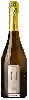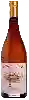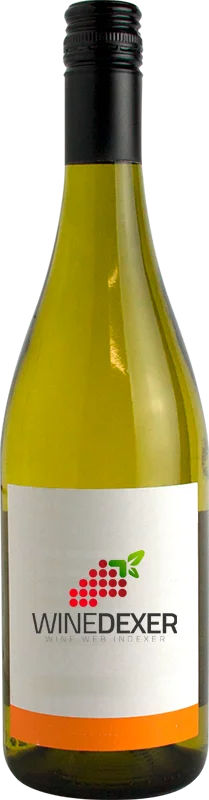
Winery Dominique BaudVouvray
 White wine
This wine generally goes well with
Details and technical informations about Winery Dominique Baud's Vouvray.
Discover the grape variety: Franc de Haute-Saône
Franc noir de Haute-Saône noir is a grape variety that originated in France (Haute-Saône). It produces a variety of grape specially used for wine making. It is rare to find this grape to eat on our tables. This variety of grape is characterized by small bunches and small grapes. The Franc noir de Haute-Saône black can be found cultivated in these vineyards: South-West, Cognac, Bordeaux, Provence & Corsica, Rhone valley.
Informations about the Winery Dominique Baud
The Winery Dominique Baud is one of of the world's great estates. It offers 20 wines for sale in the of Vouvray to come and discover on site or to buy online.

The wine region of Vouvray
Vouvray is the most famous and most respected appellation of the Loire Valley's Touraine growing region. The title covers white wines of various styles (sweet wine, dry, still and sparkling), from eight villages around the medieval town of Vouvray, on the northern banks of the Loire river. Vouvray is the flagship wine of the Chenin Blanc grape (or Pineau de la Loire as it is known there), followed ever-closer by Savennieres and the sweet whites of Anjou. Few wine regions in the world use Chenin to the same extent.
The wine region of Loire Valley
The Loire Valley is a key wine region in western France. It follows the course of the Loire River on its Long journey through the heart of France, from the inland hills of the Auvergne to the plains of the French Atlantic coast near Nantes (Muscadet country). Important in terms of quantity and quality, the region produces large quantities (about 4 million h/l each year) of everyday wines, as well as some of France's greatest wines. Diversity is another of the region's major assets; the styles of wine produced here range from the light, tangy Muscadet to the Sweet, honeyed Bonnezeaux, the Sparkling whites of Vouvray and the juicy, Tannic reds of Chinon and Saumur.
The word of the wine: Vatting
After five to eight days of alcoholic fermentation, it is possible to prolong the maceration in order to extract the maximum amount of matter from the marc. The wines obtained in this way are rich and full-bodied, and in principle are intended for laying down.