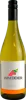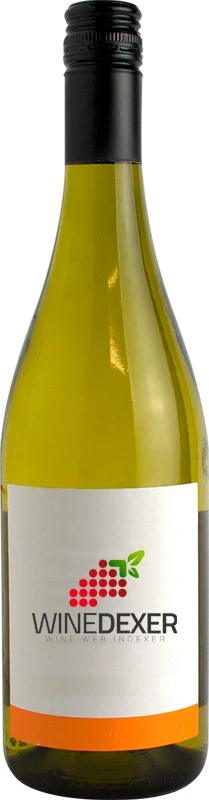
Winery LindenhofSonnenmorgen Reserve Weissburgunder
 White wine


In the mouth this white wine is a with a nice freshness.
This wine generally goes well with rich fish (salmon, tuna etc), shellfish or mild and soft cheese.

Taste structure of the Sonnenmorgen Reserve Weissburgunder from the Winery Lindenhof
Light | Bold | |
Dry | Sweet | |
Soft | Acidic |
In the mouth the Sonnenmorgen Reserve Weissburgunder of Winery Lindenhof in the region of Nahe is a with a nice freshness.
Food and wine pairings with Sonnenmorgen Reserve Weissburgunder
Pairings that work perfectly with Sonnenmorgen Reserve Weissburgunder



Original food and wine pairings with Sonnenmorgen Reserve Weissburgunder

The Sonnenmorgen Reserve Weissburgunder of Winery Lindenhof matches generally quite well with dishes of rich fish (salmon, tuna etc), shellfish or mild and soft cheese such as recipes of tomato, zucchini and tuna flan, shrimp curry (reunionese recipe) or hot dog new york style.
Details and technical informations about Winery Lindenhof's Sonnenmorgen Reserve Weissburgunder.
Discover the grape variety: Ull de Llebre
Structured, elegant reds with a deep ruby colour, soft to firm tannins and a full palate, showing signature aromas of red fruits (cherry, strawberry), black fruits (blackberry), plum, tobacco, leather and vanilla from oak ageing. Good ageing potential. The star of great Catalan reds from DO Penedès, Costers del Segre and Conca de Barberà. Catalan synonym for Tempranillo ("eye of the hare"), the native black variety of the Iberian plateau.
Last vintages of this wine
The best vintages of Sonnenmorgen Reserve Weissburgunder from Winery Lindenhof are 0
Informations about the Winery Lindenhof
The Winery Lindenhof is one of of the world's greatest estates. It offers 21 wines for sale in the of Nahe to come and discover on site or to buy online.

The wine region of Nahe
Homeland of a mineral Riesling of exceptional geological expression: lively, precise whites with notes of peach, citrus, green apple, gunflint and fine salinity, from taut dry to botrytised sweet. 75% whites, Riesling king (27%) complemented by round Pinot Gris and supple Pinot Blanc. Rising reds: silky Spätburgunder with red fruit, darker Dornfelder. 4,240 ha along the Nahe river, among the most diverse soils in Germany (180 formations).
The word of the wine: Alcohol content
The alcohol content of wine expressed as a percentage of the volume of alcohol contained in the wine.