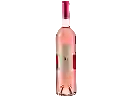
Domaine du Pere GuillotFaisan d'Or Rosé
 Pink wine


This wine generally goes well with
Details and technical informations about Domaine du Pere Guillot's Faisan d'Or Rosé.
Discover the grape variety: Araignan
Araignan blanc is a grape variety that originated in France (south of France). It produces a variety of grape specially used for wine making. It is rare to find this grape to eat on our tables. This variety of grape is characterized by large bunches and large grapes. Araignan blanc is found in the vineyards of Provence and Corsica.
Last vintages of this wine
The best vintages of Faisan d'Or Rosé from Domaine du Pere Guillot are 2018, 2017
Informations about the Domaine du Pere Guillot
The Domaine du Pere Guillot is one of of the world's great estates. It offers 129 wines for sale in the of Rhône méridional to come and discover on site or to buy online.

The wine region of Rhône méridional
Côtes du Rhône is a regional appellation in the Rhône Valley in eastern France. It applies to red, rosé and white wines, and includes more than 170 villages. The area follows the course of the Rhône southward for 125 miles (200 km) from Saint-Cyr-sur-le-Rhône to Avignon. A small portion of the wines in the appellation are white wines.
The wine region of Rhone Valley
The Rhone Valley is a key wine-producing region in Southeastern France. It follows the North-south course of the Rhône for nearly 240 km, from Lyon to the Rhône delta (Bouches-du-Rhône), near the Mediterranean coast. The Length of the valley means that Rhône wines are the product of a wide variety of soil types and mesoclimates. The viticultural areas of the region cover such a distance that there is a widely accepted division between its northern and southern parts.
The word of the wine: Vent (taste of)
A defect that characterizes a wine exposed to the air, and which has lost its aromatic qualities.